Featured in this article
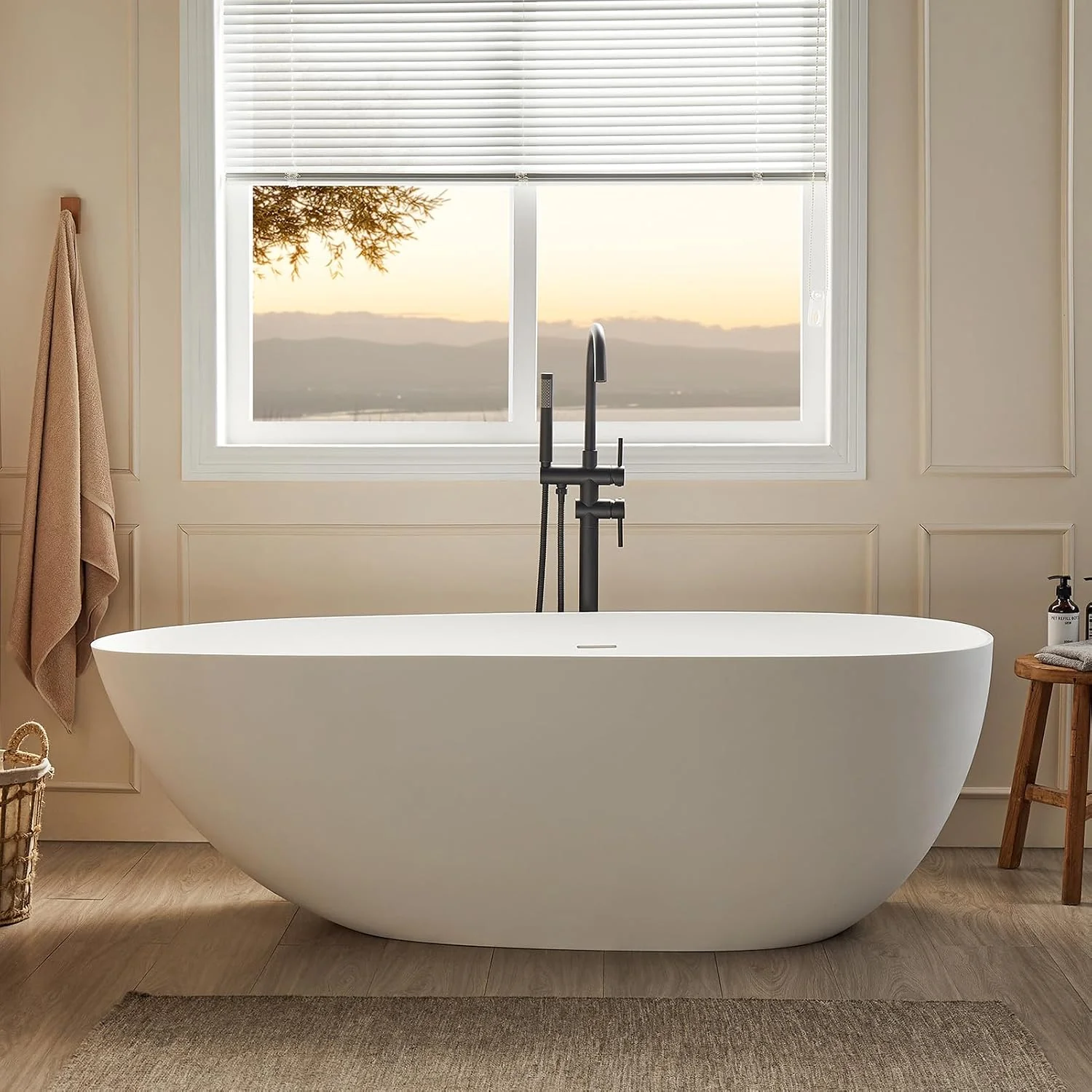
Matte White Freestanding Soaking Tub
Create a warm minimalist bathroom with a matte white freestanding tub, neutral decor, and non-porous bathroom materials for an easy spa-style refresh. Click to shop the look on Amazon.
Home Decor · Interior Inspiration · Style Guides
Create a warm minimalist bathroom using a matte white freestanding tub, neutral decor, and non-porous materials for an easy, calm spa-style refresh.
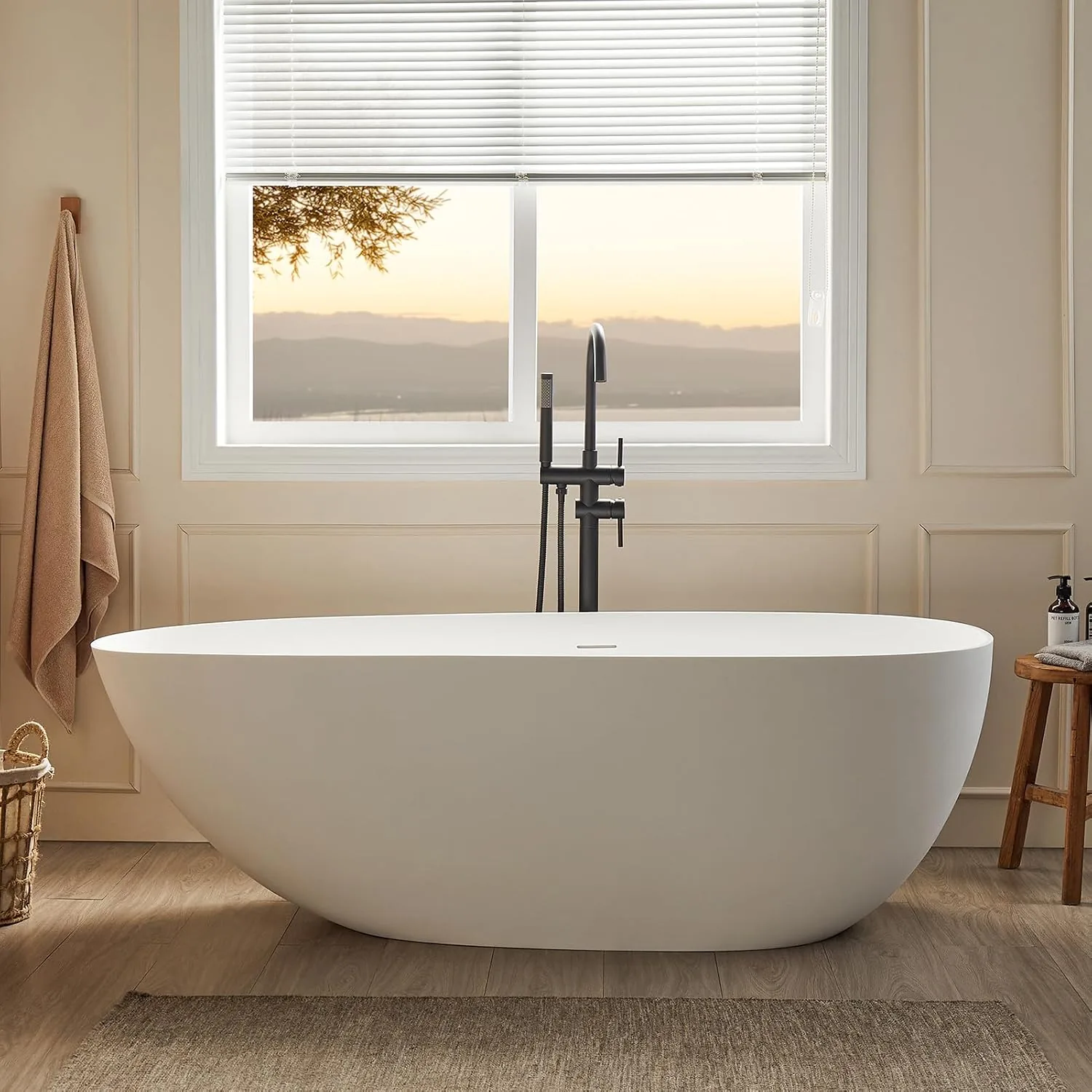
Create a warm minimalist bathroom with a matte white freestanding tub, neutral decor, and non-porous bathroom materials for an easy spa-style refresh. Click to shop the look on Amazon.
The bathroom is often the most utilitarian room in a home, built entirely around function, water resistance, and hard surfaces. This inherent rigidity is why so many bathrooms feel clinical rather than calm. But the shift toward a warm minimalist bathroom design changes that narrative, turning a purely functional space into a deliberate retreat. When I styled a series of boutique coastal rentals last year, the turning point in every bathroom renovation was a single, grounding choice: the matte white freestanding tub.
Unlike traditional built-in bathtubs or high-gloss acrylic models, a matte finish absorbs and diffuses light. This simple change in how light interacts with a large surface fundamentally alters the mood of the room. It brings a stone-like, organic quality to a space usually dominated by shiny porcelain and reflective glass. When paired with neutral decor, soft textiles, and intentional lighting, the matte white freestanding tub becomes the anchor for a daily wellness routine that feels slow, quiet, and deeply restorative.
In this guide, we will explore how to design around a freestanding soaking tub, why material choices matter so much in a minimalist space, and how to maintain the delicate balance of warmth and simplicity in a room that sees heavy daily use.
When you walk into a bathroom, the largest object dictates the visual weight. In most primary bathrooms, that object is either the vanity or the bathtub. If the bathtub is a glossy, reflective rectangle pushed into a corner, it screams utility. If it is a matte white freestanding tub, it signals rest.
The matte finish is crucial here. High-gloss surfaces bounce overhead lighting sharply, creating glare that feels energetic and sterile. A matte surface, whether it is solid surface stone resin or a treated acrylic, scatters light softly. It looks more like a piece of sculpture than a plumbing fixture. This subtle muting of light is the foundational step in building a warm minimalist bathroom. It sets a baseline of calm that the rest of the room’s materials can follow.
Furthermore, a freestanding profile introduces negative space around the fixture. This visible floor area makes the room feel larger and more open. It allows the eye to travel, reducing the claustrophobic feeling that often accompanies built-in tubs with heavy tiled skirts.
Create a warm minimalist bathroom with a matte white freestanding tub, neutral decor, and non-porous bathroom materials for an easy spa-style refresh. Click to shop the look on Amazon.
This specific tub design offers the perfect balance of scale and simplicity. It features clean, sweeping lines that do not demand attention, yet its presence is undeniable. The matte finish feels smooth and warm to the touch, retaining water heat efficiently while offering a slip-resistant surface that is practical for daily use.
Minimalism can easily veer into austerity if left unchecked. A room with only smooth, white surfaces will feel like an operating theater. The “warm” in a warm minimalist bathroom comes entirely from texture and natural tones.
To successfully pull off this aesthetic, you must intentionally introduce materials that contrast with the smooth perfection of the bathtub. Think about the sensory experience of stepping out of the bath. You want your feet to meet a plush, natural fiber, not a cold, hard tile.
Here are the primary ways to introduce warmth without adding visual clutter:
Wood is the most effective antidote to a cold bathroom. A floating oak vanity, a simple teak bath tray, or even a small wooden stool placed next to the tub can instantly ground the room. The grain of the wood provides organic pattern, which is vital in a space where you are actively avoiding busy tile designs or loud wallpaper. Ensure any wood used in the bathroom is properly sealed for high moisture environments to prevent warping and mold.
The textiles you choose should be as intentional as the plumbing fixtures. Swap out bright, patterned towels for solid neutrals in linen or ribbed cotton. A waffle bath mat provides excellent texture while remaining visually quiet. Keep towels folded neatly on a stool or hung on simple, matte black or brass hooks. Avoid stacking too many towels on open shelves; two or three are enough to signal comfort without looking like a storage display.
Instead of polished chrome, which adds sharp reflections, consider unlacquered brass, brushed nickel, or matte black for your faucets and showerheads. These finishes possess a quiet elegance. Unlacquered brass, in particular, develops a patina over time, adding a layer of lived-in history to the room that perfectly complements a matte white freestanding tub.
A freestanding tub requires deliberate spatial planning. It cannot simply be shoved into the exact footprint of an old built-in tub without consideration for cleaning and visual flow.
Ideally, you want at least 10 to 15 centimeters (about 4 to 6 inches) of clearance on all sides of the tub that do not face the open room. This gap is not just an aesthetic requirement for negative space; it is a practical necessity. You need enough room to reach a mop or a cleaning cloth around the base. If the tub is too close to the wall, that narrow gap becomes a trap for dust, moisture, and mildew, creating a maintenance nightmare that destroys the calming effect of the room.
If your bathroom is narrow, consider angling the tub slightly, provided the plumbing allows for it, or opting for a back-to-wall freestanding model. These models give the illusion of a freestanding tub from the front but sit flush against the wall, saving precious floor space and eliminating the hard-to-reach cleaning zone behind the tub.
Remember to plan for where you will put things while bathing. A small wooden stool or a minimalist bath caddy is essential for holding soap, a book, or a towel. Without a designated landing zone, these items will end up on the floor, instantly introducing clutter.
Lighting is the invisible material that dictates how every other material looks. You can have the most beautiful matte white freestanding tub and the perfect oak vanity, but if the room is blasted with 4000K daylight-hued LED panels, it will still feel like a hospital.
A warm minimalist bathroom requires layers of warm light. Start by replacing all overhead bulbs with 2700K temperature options. This color temperature mimics the soft, golden hue of incandescent bulbs and instantly warms up white walls and ceramics.
Next, ensure you have task lighting and ambient lighting separated on different switches. You need bright light for the vanity mirror, but you do not want that same intensity when you are soaking in the tub. Consider adding a dimmable wall sconce near the tub or styling olive green flameless candles on a nearby shelf or stool. The flicker of candlelight against the matte surface of the tub creates an unparalleled atmosphere for relaxation.
If you have natural light, maximize it. Use a sheer linen cafe curtain or frosted window film for privacy rather than heavy blinds that block the sun. Natural light shifts throughout the day, constantly changing the mood of the room and highlighting the subtle textures of your chosen materials.
In a minimalist space, there is nowhere to hide dirt or grime. A cluttered room distracts the eye, but in a stripped-back bathroom, a water stain or a patch of mildew becomes a glaring focal point. Therefore, material selection must prioritize ease of maintenance alongside aesthetics.
The matte white freestanding tub itself is usually made from a non-porous solid surface or cast resin. This is highly advantageous because it resists staining and does not harbor bacteria. However, it does require gentle cleaning—abrasive powders and harsh scrub brushes will scratch the matte finish. Mild dish soap and a soft cloth are usually all that is needed.
Apply this same logic to your wall and floor choices. Large-format porcelain tiles mean fewer grout lines to scrub. If you prefer the look of natural stone, ensure it is rigorously sealed, or choose a high-quality porcelain lookalike. By minimizing the effort required to keep the space clean, you preserve the bathroom as a place of rest rather than a source of chores.
When the foundational elements are in place, you can elevate the daily ritual further. The addition of subtle scent profiles, like a natural eucalyptus bundle hung in the shower or a high-quality diffuser placed on the vanity, introduces an olfactory layer of calm. Ensure the scents are derived from natural essential oils rather than synthetic fragrances, matching the authentic ethos of the space.
Similarly, consider the acoustics of the room. Hard surfaces bounce sound, making water running or doors closing sound harsh. The textiles you have layered—the plush mats, the linen curtains—help absorb this sound. You can amplify this softening effect by integrating a small, waterproof speaker to play ambient or acoustic music during a soak. This shifts the bathroom from a place of mere physical cleansing to a room equipped for total sensory decompression.
The goal is a cohesive environment where no single element demands your focus. The matte white freestanding tub provides the visual calm, the wood provides the necessary warmth, and the considered lighting provides the gentle mood. Everything works in concert to lower your heart rate the moment you step through the door.
The hardest part of a warm minimalist bathroom is not the initial design; it is resisting the urge to fill it over time. The countertops should remain mostly clear. Everyday items like toothbrushes, skincare bottles, and hair tools need designated homes inside vanity drawers or medicine cabinets.
If you must keep items on the counter, group them on a small, textured tray. This defines the space and makes the items look purposeful rather than forgotten.
Before bringing a new object into the bathroom—whether it is a plant, a piece of art, or a new bath product—ask yourself if it adds to the sense of calm or detracts from it. Let the matte white freestanding tub remain the undisputed star of the room. By practicing this ongoing visual discipline, you ensure that your bathroom remains a true sanctuary, offering a quiet, warm, and restorative start and end to every single day.
A matte finish scatters light rather than reflecting it sharply, creating a softer, more organic look that fits warm minimalist spaces better. It also hides water spots and minor smudges far more effectively than a high-gloss surface.
For practical cleaning and visual breathing room, you should leave at least 10 to 15 centimeters (4 to 6 inches) of clearance between the tub and the nearest wall or vanity. This prevents the bathroom from feeling cramped and allows you to wipe down the surrounding floor.
They require slightly different care but are not harder to clean. You should avoid abrasive scouring pads and harsh chemical cleaners, relying instead on mild dish soap, warm water, and soft microfiber cloths to maintain the finish without scratching.
Only if it lacks texture. The warmth in warm minimalism comes from layering tactile materials like wood, linen, and matte stone. By repeating these elements, the space feels intentional and grounded rather than barren or unfinished.