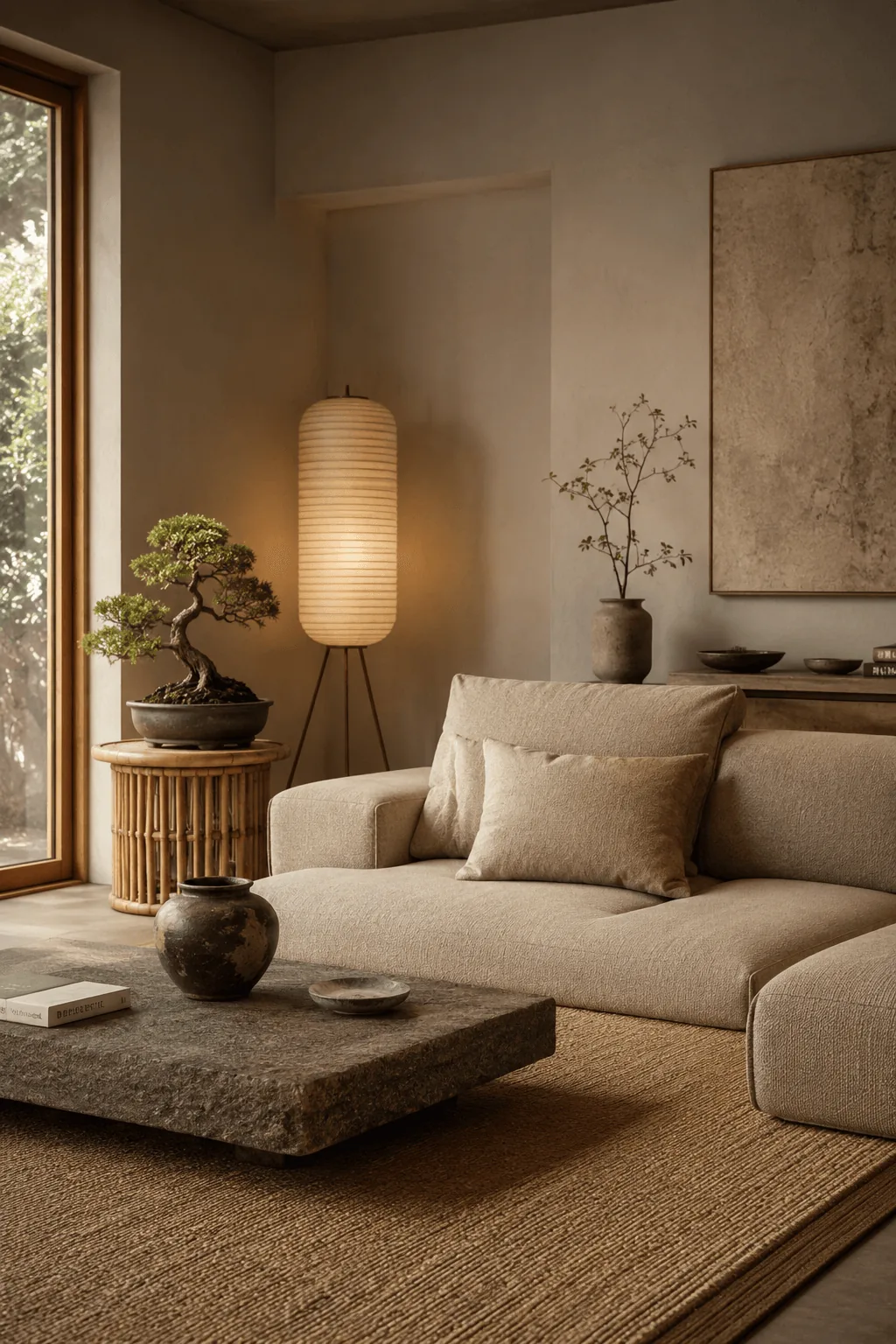
Featured in this article
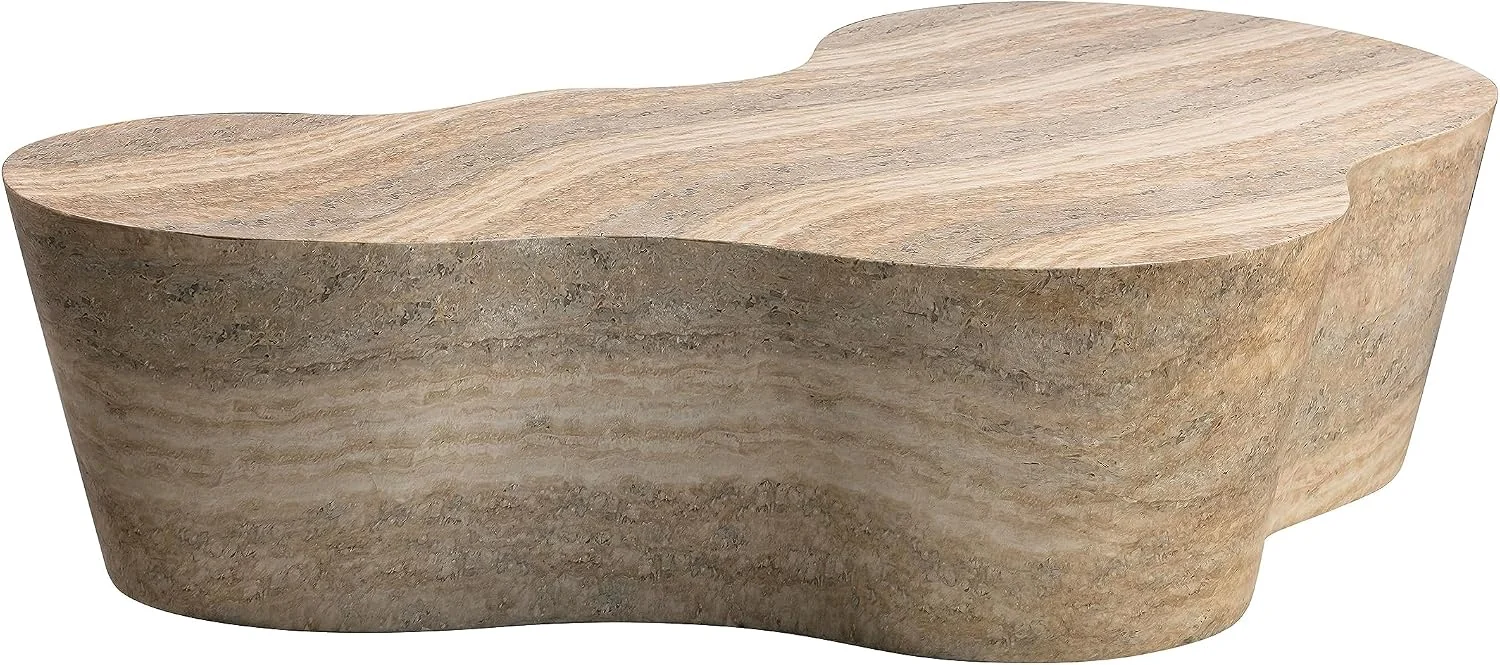
Slab Faux Travertine Coffee Table
Organic-modern faux travertine coffee table with a substantial slab look for warm neutral living rooms.
Home Decor · Interior Inspiration · Style Guides
Living rooms that don't compete with the window work best with clear scale, placement, material, and maintenance choices before the room fills with new decor.
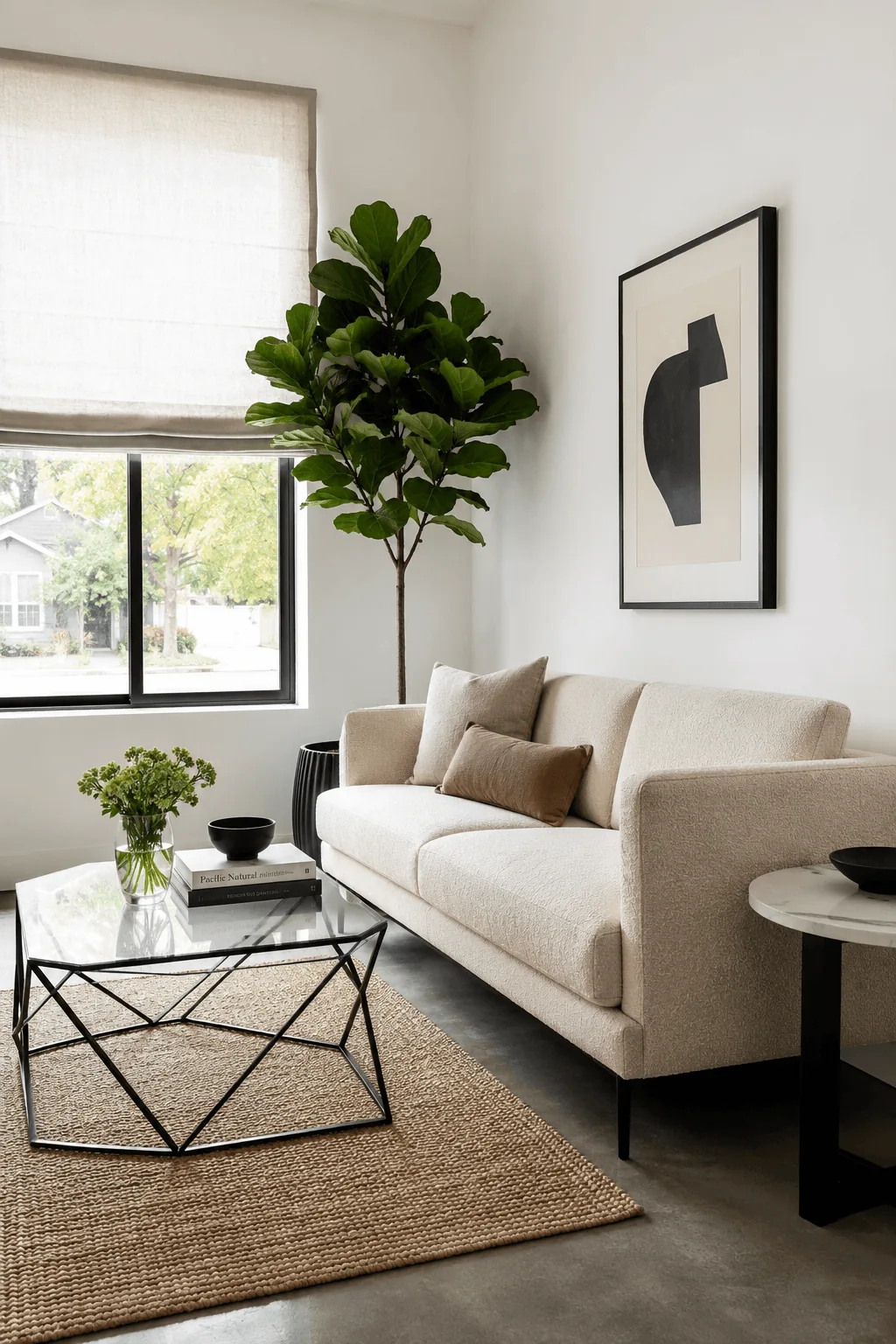
Organic-modern faux travertine coffee table with a substantial slab look for warm neutral living rooms.
The most common living-room mistake is a room arranged around the television, with the window treated as wallpaper behind the sofa. The window has been there longer than the TV. It’s also free. Treat it as the protagonist. This living rooms that don’t compete with the window guide keeps the focus on proportion, maintenance, and how the room feels in daily use.
In our room edits, the change works only when it solves a visible problem instead of adding another layer to manage. Use the same restraint behind small living rooms and lighting upgrades under $70: measure first, repeat materials deliberately, and leave enough blank space for the change to read.
Pull the sofa off the wall. A 30cm gap behind a sofa is enough to feel deliberate; 60cm is generous. The sofa is now floating in the room — and the window has space to breathe. Most rooms get bigger in this single move.
For this choice, this section matters most when it is checked from the doorway and from the seat or counter where the decision will be seen every day. Give the idea at least 24 hours in normal morning and evening light, then remove one nearby object before deciding whether the room needs anything else.
A pale bouclé chair next to a window does double duty: it sits, and it bounces light back into the room at 4pm in November. A dark velvet chair in the same spot turns into a black hole.
Rug should sit under the front legs of the sofa and the front legs of every chair in the conversation. Floating rugs (everyone on the bare floor) make a room feel rented.
If you have a gallery wall and a great window, you have two protagonists. Pick one. The wall above a sofa can be a single oversized print, a textile, or genuinely nothing. The room will thank you.
A gallery wall opposite a great window is fine. A gallery wall next to a great window is a competition that the window wins anyway.
Two table lamps and zero overhead lighting from 7pm onwards is the simplest comfort upgrade in any living room. Put them on a smart plug if you forget. The room will feel like a room you want to be in.
For more on lighting at 2700K and why directional light beats overhead, see our roundup of three lighting upgrades under $70. And if your living room is genuinely small, seven principles that make compact rooms feel twice their size covers the architectural moves that come before lighting.
Start by identifying what the window actually gives you. Is it a view, direct sun, soft north light, a garden, a street scene, or simply a large bright rectangle? Each answer leads to a different room. A view wants furniture angled toward it. Strong sun wants filtered linen and fade-resistant fabrics. Soft light wants pale materials nearby so the room borrows as much brightness as possible.
Then mark the path from the room entrance to the window. If a chair, side table, or plant blocks that path, the room will feel crowded even when the furniture technically fits. The window should feel reachable, not like scenery behind a barrier.
Keep the tallest furniture away from the brightest part of the room. A bookcase beside a window can be beautiful, but only if it sits on the wall that receives light rather than the wall that emits it. Tall dark furniture immediately beside a window creates a hard edge and makes the opening feel smaller.
Low-profile seating works because it lets the eye travel across the room and out. A sofa with a high back can still work, but pull it perpendicular to the window rather than directly in front of it. If the sofa must sit below the window, choose one with a back that finishes below the sill.
Organic-modern faux travertine coffee table with a substantial slab look for warm neutral living rooms.
Curtains should frame the window, not perform around it. We prefer plain linen or cotton in a colour close to the wall, hung high and wide so the panels stack on the wall when open. Patterned curtains can work, but they become a second focal point. Use them only when the view is not the main event.
For the simplest renter-friendly version, our DIY linen curtain guide covers the rod height and width rules. The same move makes a window look larger while keeping the room calm.
Remove small decor from the sill, then remove anything hanging beside the window, then remove furniture that sits in front of the lowest third of the glass. Add back only what improves the light: a plant that likes the exposure, a low chair, a table lamp for evening.
The goal is not an empty room. The goal is a room where the architecture gets the first word and the furniture answers quietly.
Start with measurements rather than mood. Mark the likely footprint with painter’s tape, books, or a folded towel before buying or rearranging anything. A useful rule is to leave at least 60 cm for a main walkway, 35-45 cm between a sofa and coffee table, and 10 cm of visible border around small textiles or objects that sit on the floor. Those numbers are not decorative; they decide whether the idea feels calm once people actually move through the room.
Check the material against what is already present. If the room has several glossy surfaces, add matte texture. If it has many pale fabrics, add one grounded wood, stone, black, or brass note. If it already has strong contrast, keep the new piece quieter. The goal is not to match every finish, but to repeat one material family so the choice feels connected to the room instead of dropped into it from a product photo.
Plan maintenance before styling. Anything near water, food, pets, children, or direct sun needs a cleaning rhythm and a tolerance for wear. Soft textiles may need weekly washing, stone may need coasters, acrylic may need microfiber cleaning, wood may need pads under objects, and lighting may need a dimmer that is compatible with the fixture. A beautiful choice that is annoying to maintain usually becomes visual clutter within a month.
Use the one-in, one-out test after the change lands. Add the new piece, then remove one smaller object in the same sightline. If the room feels more intentional, leave the smaller object out. If the room feels bare, return it after a week. This keeps the edit from turning into accumulation and protects the calm that made the change worth considering in the first place. Used this way, living rooms that don’t compete with the window becomes part of the room’s structure rather than a loose accent.
Use the change as one clear decision, then remove or quiet the nearest competing object. The room should gain a job, a material note, or a focal point rather than another small thing to maintain.
Measure the available width, depth, height, and the walkway that remains after the piece or idea is in place. For most rooms, 60 cm of clear passage and visible breathing room around the object prevents a styled choice from becoming an obstacle.
Yes, if the choice is reversible and scaled to the room rather than the product photo. Freestanding pieces, textiles, plug-in lighting, removable hooks, and careful styling usually give the best result without changing the building.
The common mistake is treating the idea as decoration before checking proportion and maintenance. If the size is wrong or the material is hard to live with, even an attractive choice will make the room feel less settled over time.