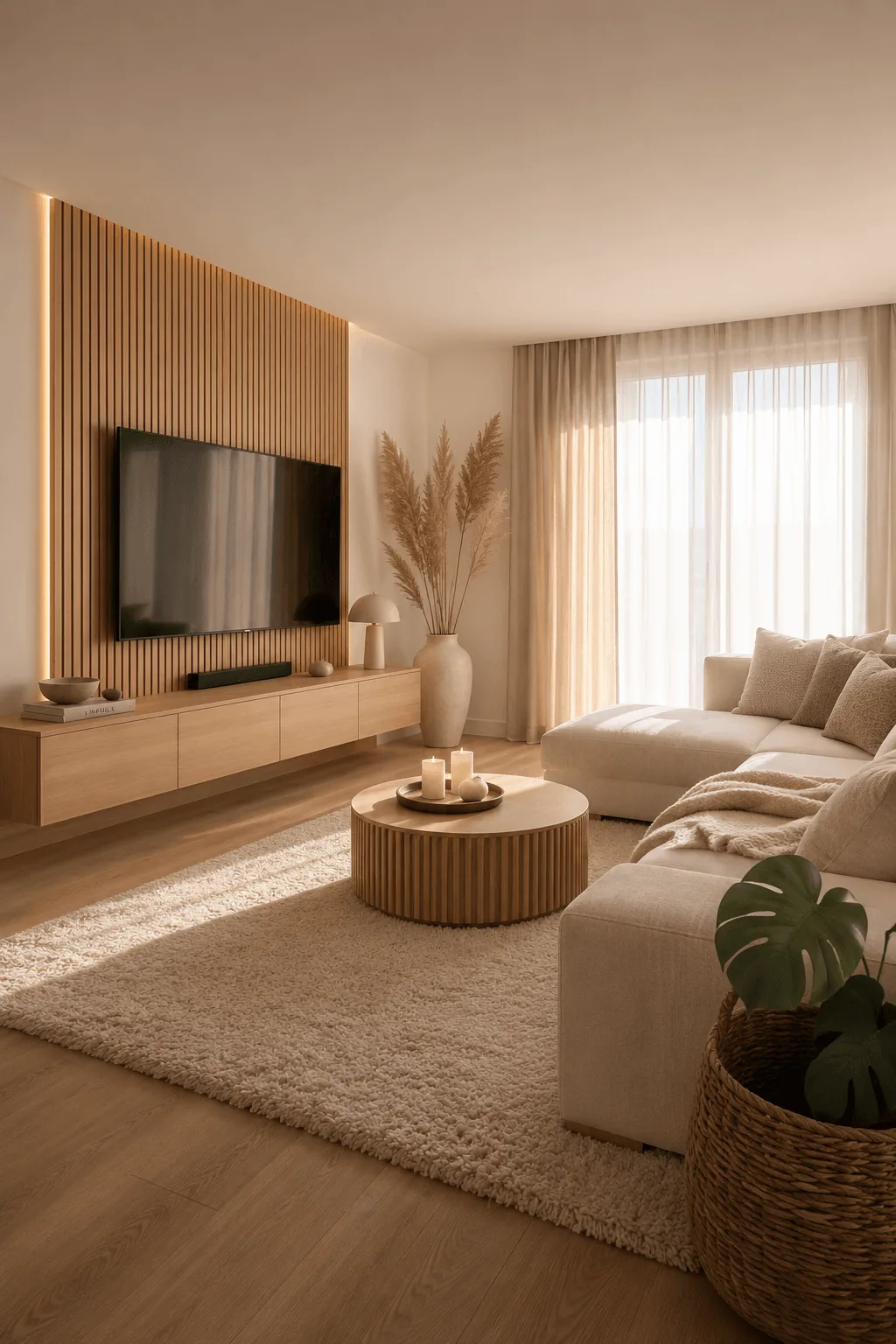
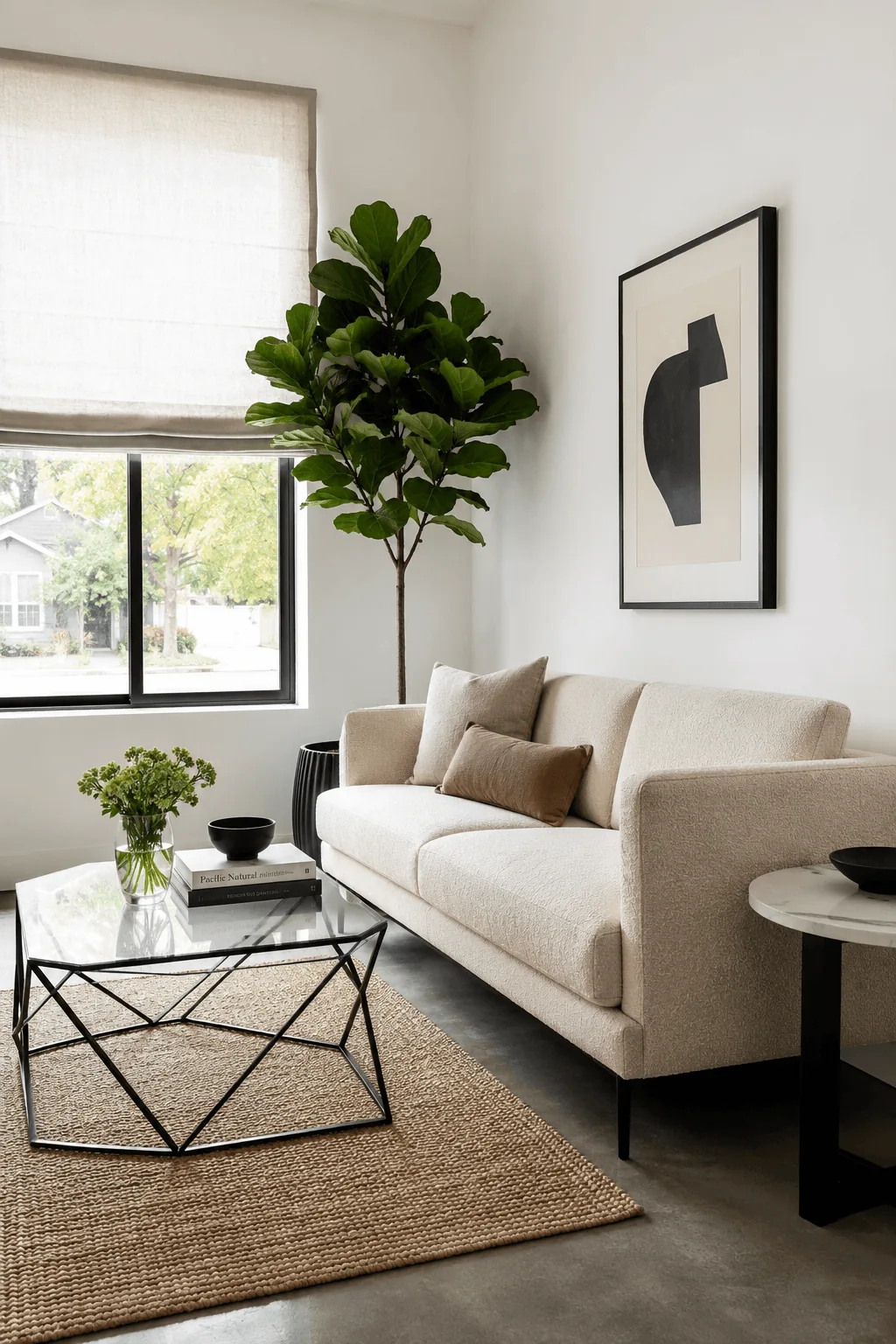
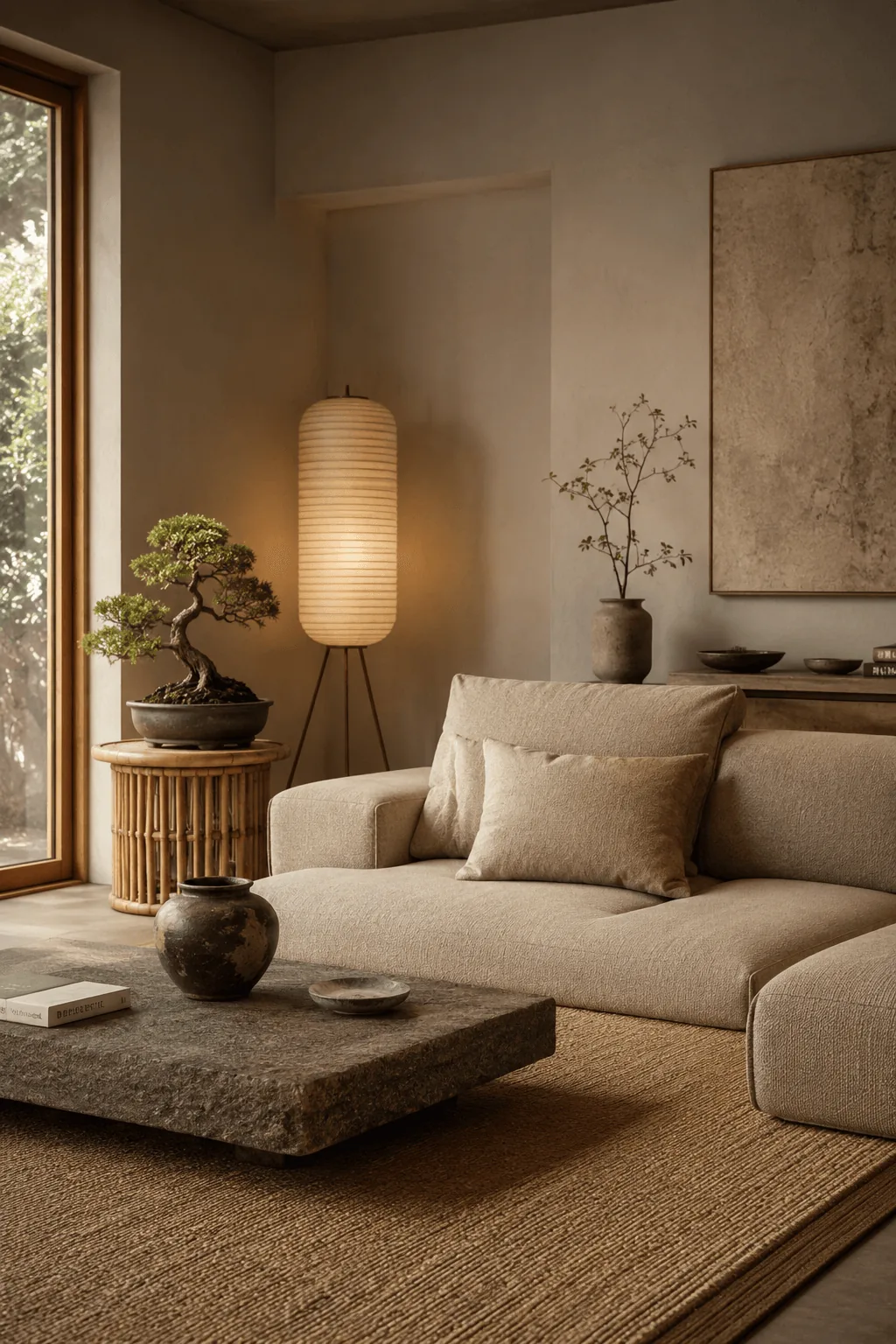
If our slow-living living room cover shoot caught your eye, here’s the buildable version: three core pieces, four accents, and the order we’d buy them in if we were starting from an empty room.
In our room edits, the change works only when it solves a visible problem instead of adding another layer to manage. Use the same restraint behind modern curved sofa living room ideas and travertine coffee table: measure first, repeat materials deliberately, and leave enough blank space for the change to read.
The core three
Start here. Don’t skip ahead.
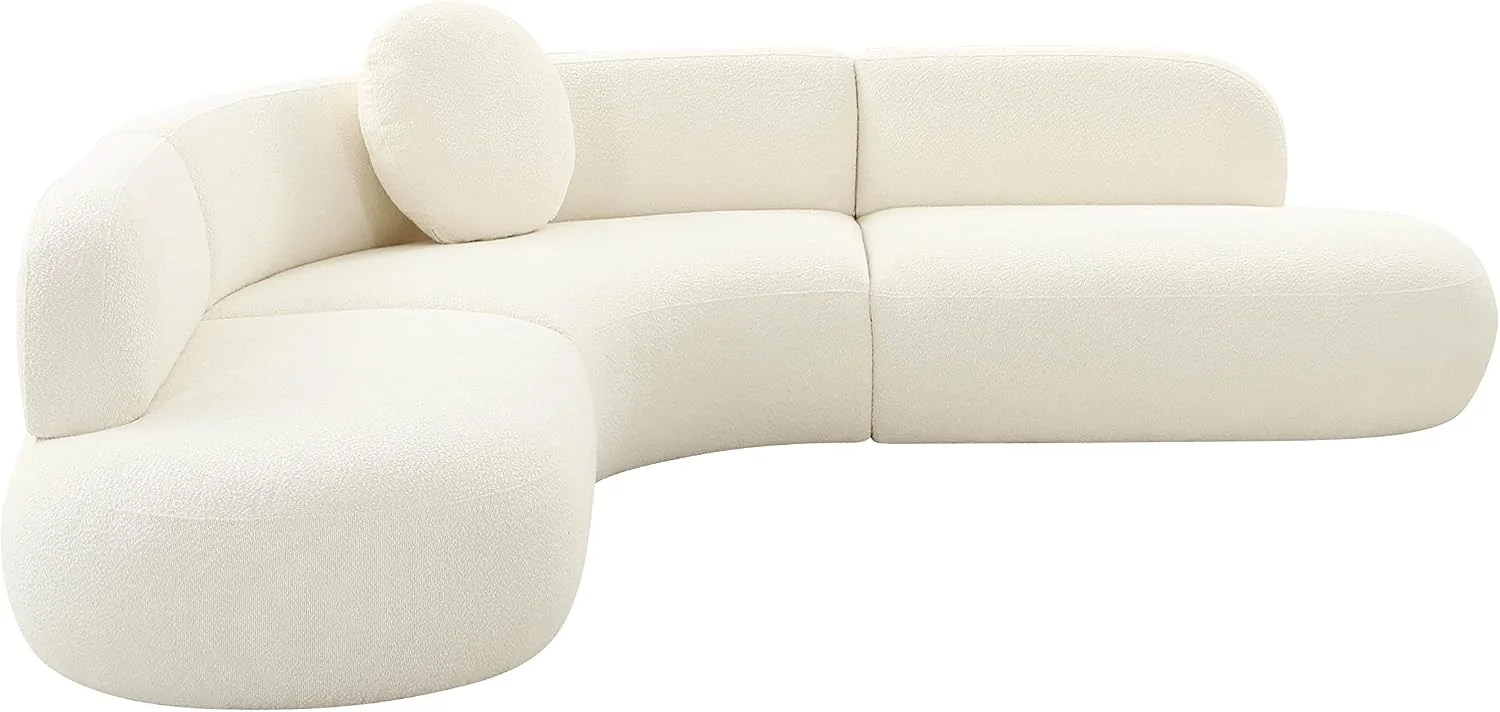
Tov Furniture Broohah Cream Boucle Sectional
Cream boucle sectional sofa with a soft modern profile for warm, cozy living rooms.
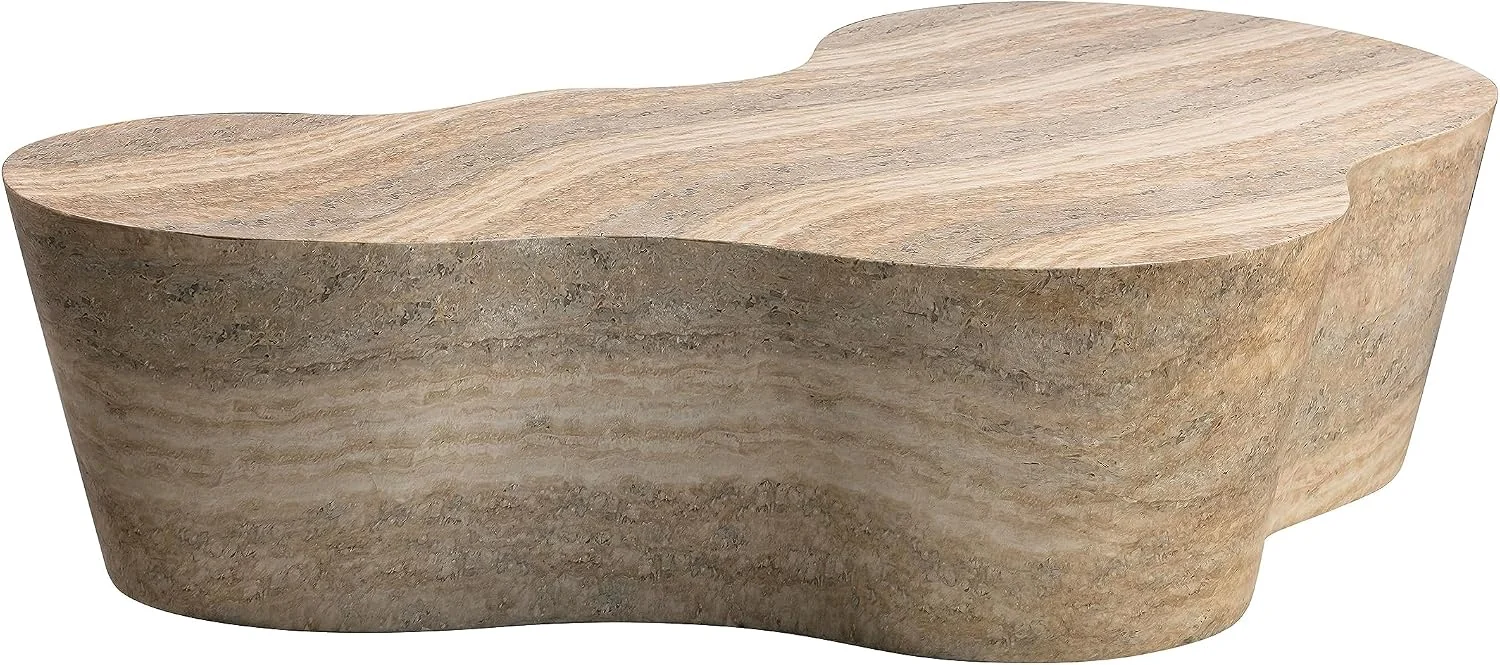
Slab Faux Travertine Coffee Table
Organic-modern faux travertine coffee table with a substantial slab look for warm neutral living rooms.
The cream boucle sectional sets the texture rule for the room. The faux travertine table gives the seating area a substantial center without introducing a busy grain or high-gloss finish.
The third core piece is still light. It does not have to be the exact fixture in a catalog, but it should sit below standing eye level, use a warm bulb, and leave enough negative space around the seating. A room with a good sofa and table can still feel unfinished if the evening light is cold or flat.
The accents
Add these over the next six months. The room will feel more finished with each addition, and you’ll notice immediately if one piece doesn’t belong.
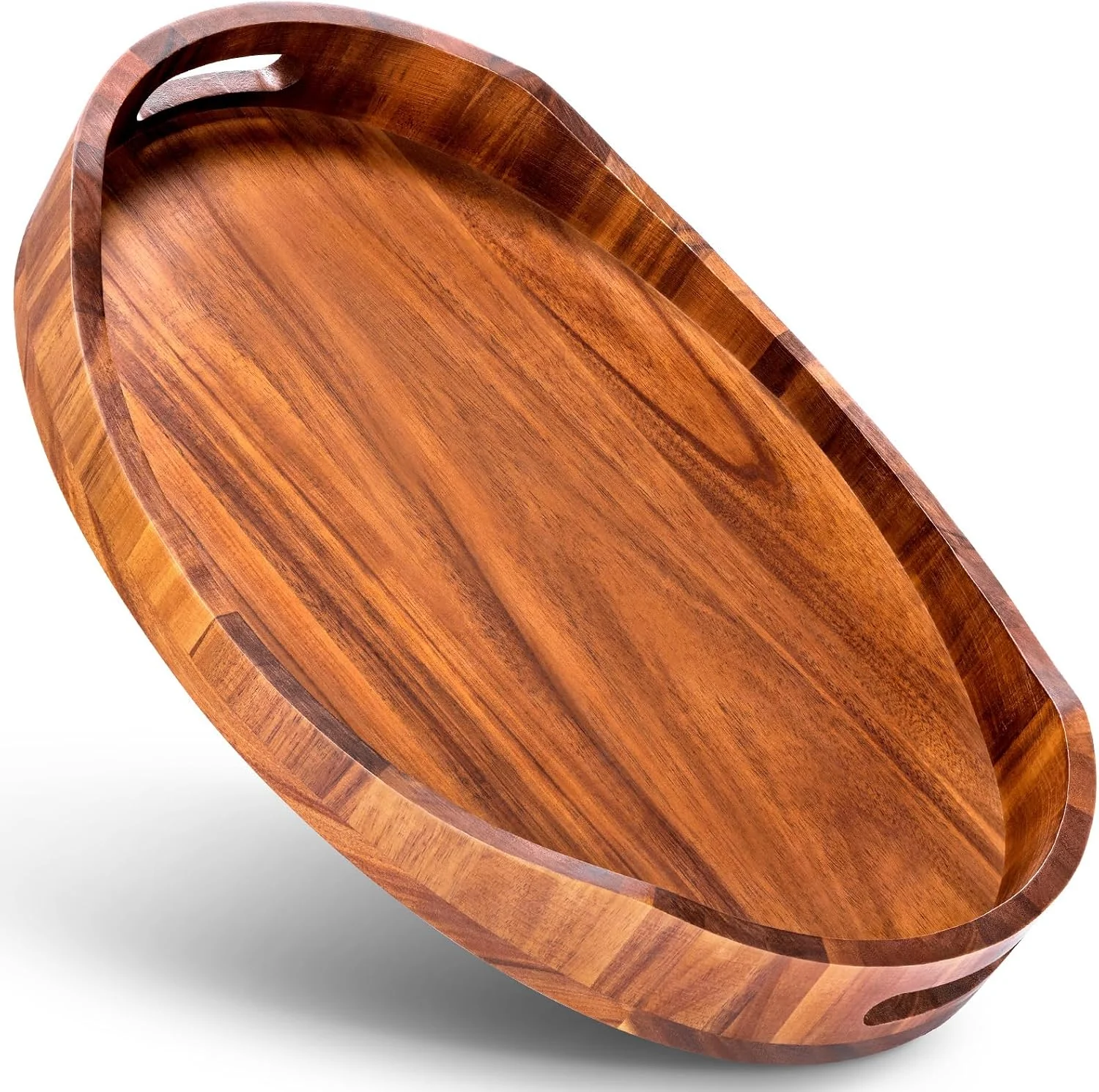
HouseJoy Acacia Wood Serving Tray with Handles
16.5 x 13 inch acacia wood tray with handles for ottomans, coffee tables, breakfast in bed, bathroom styling, and candle displays.
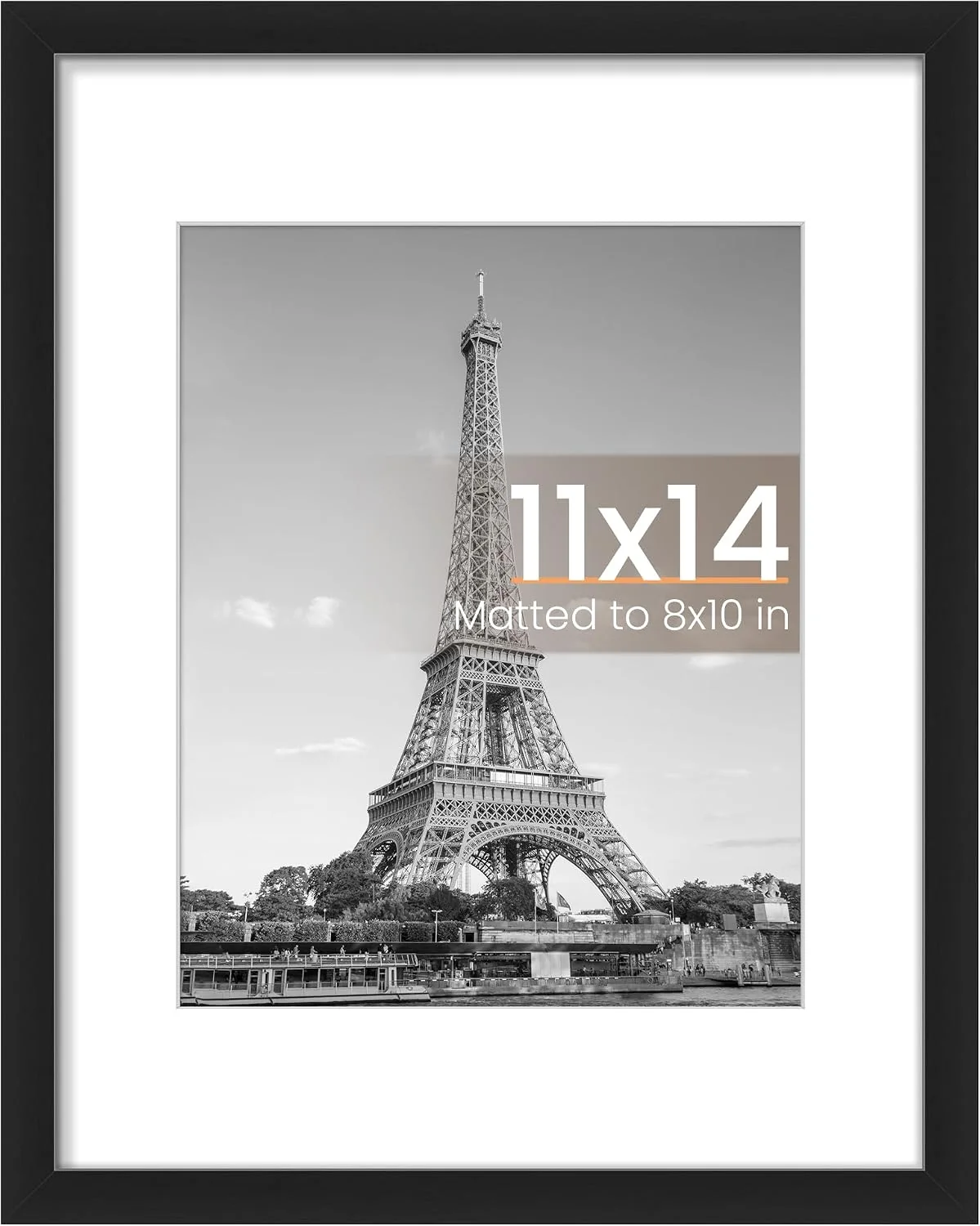
upsimples 11x14 Picture Frame, Black
Black wall-hanging photo frame that displays 8x10 pictures with the mat or 11x14 pictures without the mat.
A wood tray gives the coffee table a useful landing zone without making the whole surface feel staged. A simple black frame adds the muted contrast that keeps a warm-neutral room from turning flat. The rug should still be quieter than you think: stone, oatmeal, mushroom, or undyed wool rather than a pattern that asks to be the star.
The full shopping map
| Layer | What to choose | Why it matters | Where to save |
|---|
| Seating | Sofa or covered seating with washable fabric | Sets comfort, scale, and the main texture | Skip matching accent chairs |
|---|
| Light | Ceramic or linen-shade table lamp at 2700 K | Makes the room work after sunset | Use a standard warm bulb |
|---|
| Surface | Low wood coffee table or stool | Gives books, drinks, and trays a grounded place | Buy second-hand if proportions are right |
|---|
| Textile | Wool rug or linen curtain repeat | Softens sound and ties the palette together | Choose plain weave over pattern |
|---|
| Object | One tall vase, plant, or branch vessel | Adds height without visual clutter | Let it sit empty when needed |
|---|
Seating
- Choose
- Sofa or covered seating with washable fabric
- Why
- Sets comfort, scale, and the main texture
- Save
- Skip matching accent chairs
Light
- Choose
- Ceramic or linen-shade table lamp at 2700 K
- Why
- Makes the room work after sunset
- Save
- Use a standard warm bulb
Surface
- Choose
- Low wood coffee table or stool
- Why
- Gives books, drinks, and trays a grounded place
- Save
- Buy second-hand if proportions are right
Textile
- Choose
- Wool rug or linen curtain repeat
- Why
- Softens sound and ties the palette together
- Save
- Choose plain weave over pattern
Object
- Choose
- One tall vase, plant, or branch vessel
- Why
- Adds height without visual clutter
- Save
- Let it sit empty when needed
This order matters because each layer changes the next decision. Once the sofa is in place, the table height becomes obvious. Once the first lamp is on, the rug colour shifts under evening light. Once the rug arrives, the room may need only one object, not five. Buying in sequence prevents the most expensive mistake in shop-the-look decorating: ordering the entire moodboard and discovering that half of it solves problems the room never had.
For this choice, this section matters most when it is checked from the doorway and from the seat or counter where the decision will be seen every day. Give the idea at least 24 hours in normal morning and evening light, then remove one nearby object before deciding whether the room needs anything else.
Layout formula
Start with the sofa on the longest practical wall, then pull the coffee table close enough to reach from the seat. Most rooms look better when the table is 35-45 cm from the sofa edge. Closer feels cramped; farther away becomes decorative rather than useful. Place the lamp where a seated person can use it without standing up. If the only outlet is across the room, solve the cable path before buying another object.
The rug should connect the seating group rather than float like a mat. At minimum, the front legs of the sofa should sit on it. In a small room, a larger plain rug often looks calmer than a smaller patterned one because it reduces visual breaks in the floor. If the budget cannot stretch to the ideal size, choose the simpler material and wait for the right dimensions.
Palette rules
Keep the palette to three families: warm neutral, wood, and one muted contrast. Warm neutral can be linen, oatmeal, stone, or mushroom. Wood can be oak, walnut, acacia, or rattan, but pick one dominant tone. The muted contrast might be sage, clay, black metal, or a deeper brown. Repeat the contrast twice at most: a lamp base and picture frame, a vase and cushion edge, a plant and one book cover.
Avoid the common beige-room trap by varying texture instead of adding more beige. Linen, wool, matte ceramic, smooth wood, and paper all read differently even when the colours are close. That is why slow-living rooms can stay quiet without becoming flat.
What we’d skip
A coffee table that tries to be too clever. A patterned rug. Anything described as “statement” in the product copy. Slow-living rooms are made of pieces that recede individually and accumulate quietly.
The whole brief: build the room from three pieces that earn their place, then resist adding anything that doesn’t.
For this choice, this section matters most when it is checked from the doorway and from the seat or counter where the decision will be seen every day. Give the idea at least 24 hours in normal morning and evening light, then remove one nearby object before deciding whether the room needs anything else.
Order of operations
- Sofa first. Six months minimum to choose well.
- Lamp second. Faster decision, big payoff.
- Curtains third. The room reads taller immediately.
- Everything else when it arrives — not on a deadline.
The reward of going slowly is a room you don’t have to redo in two years.
For the underlying design philosophy, see our cover story: a slow living bedroom in warm neutrals. For the architectural moves that make a small living room feel generous, see small living rooms that feel twice their size.
This final check is deliberately practical: look at the section from the doorway, then again from the place where you use the room most often. If the idea only works from one angle, simplify the surrounding objects before you add anything else.
The room budget
A slow-living room is not automatically cheap. The difference is that the money goes into pieces that stay useful when your taste shifts. Spend on the sofa frame, the lamp you use every night, the curtain fabric, and the rug underfoot. Save on small decorative objects, seasonal cushions, and anything that only works in one highly specific colour scheme.
We use a 70/30 rule: 70% of the room budget goes to practical pieces that carry comfort and proportion; 30% goes to accents that can change. If the ratio flips, the room may photograph well for a month and then feel oddly unsatisfying because the daily-use objects are doing too little work.
How to avoid a catalogue room
Do not buy every piece from the same retailer or range. Matching finishes make a room feel assembled in one transaction. Instead, repeat material families: linen with linen, warm wood with warm wood, matte ceramic with plaster or stone. The pieces should agree without being siblings.
One vintage or second-hand piece helps immediately. It might be a side table, a framed print, a wooden stool, or a ceramic lamp. The point is not age for its own sake; it is to add a surface with a little irregularity so the newer pieces do not all carry the same retail polish.
The lighting sequence
Choose lighting before you choose final accessories. A room with warm layered light needs fewer decorative objects because the shadows do some of the visual work. Start with one table lamp at seated eye level, then add a floor lamp in the darkest corner, then decide whether the ceiling light needs a dimmer or simply needs to stay off.
If your room still feels flat after the first lamp, do not buy another cushion. Buy a second light source. Our lighting upgrades under $70 guide covers the lower-cost version of the same strategy.
The final edit
When everything is in place, remove 10% of the visible objects. Put them in a cupboard for a week. If the room feels colder, return one. If it feels calmer, leave them out. Slow-living rooms depend on restraint at the end as much as patience at the beginning.
Keep a short “do not buy” list beside the shopping list. Ours usually includes extra cushions, small vases, decorative trays, and second rugs. Naming the temptations in advance makes it easier to pass them in a shop without feeling as if the room is being neglected.
What makes it affiliate-safe
A useful shop-the-look article should be able to survive without the exact products. The products are examples of the specification, not the only acceptable answers. If the oak table sells out, the criteria remain: low height, real wood, calm grain, and useful scale. If the lamp changes, the criteria remain: warm bulb, opaque or linen shade, stable base, and a switch you will use daily.
That distinction protects the room from becoming a cart. Buy the specification first and the product second. A look assembled that way ages better because the logic is visible even when individual pieces change.
Before checkout, read the room aloud as a list of jobs: sit comfortably, set down a drink, read at night, soften sound, hold one focal object, and keep the walkway clear. If a product does not serve one of those jobs, it belongs on a wish list, not in the order. The best version of this look is not the most complete cart; it is the shortest cart that makes the room easier to live in.
How to Use Slow-living living room at Home
Start with measurements rather than mood. Mark the likely footprint with painter’s tape, books, or a folded towel before buying or rearranging anything. A useful rule is to leave at least 60 cm for a main walkway, 35-45 cm between a sofa and coffee table, and 10 cm of visible border around small textiles or objects that sit on the floor. Those numbers are not decorative; they decide whether the idea feels calm once people actually move through the room.
Check the material against what is already present. If the room has several glossy surfaces, add matte texture. If it has many pale fabrics, add one grounded wood, stone, black, or brass note. If it already has strong contrast, keep the new piece quieter. The goal is not to match every finish, but to repeat one material family so the choice feels connected to the room instead of dropped into it from a product photo.
Plan maintenance before styling. Anything near water, food, pets, children, or direct sun needs a cleaning rhythm and a tolerance for wear. Soft textiles may need weekly washing, stone may need coasters, acrylic may need microfiber cleaning, wood may need pads under objects, and lighting may need a dimmer that is compatible with the fixture. A beautiful choice that is annoying to maintain usually becomes visual clutter within a month.
Use the one-in, one-out test after the change lands. Add the new piece, then remove one smaller object in the same sightline. If the room feels more intentional, leave the smaller object out. If the room feels bare, return it after a week. This keeps the edit from turning into accumulation and protects the calm that made the change worth considering in the first place. Used this way, slow-living living room becomes part of the room’s structure rather than a loose accent.
FAQ
How do I use this idea without making the room feel busy?
Use the change as one clear decision, then remove or quiet the nearest competing object. The room should gain a job, a material note, or a focal point rather than another small thing to maintain.
What should I measure before choosing it?
Measure the available width, depth, height, and the walkway that remains after the piece or idea is in place. For most rooms, 60 cm of clear passage and visible breathing room around the object prevents a styled choice from becoming an obstacle.
Can this work in a rental or small home?
Yes, if the choice is reversible and scaled to the room rather than the product photo. Freestanding pieces, textiles, plug-in lighting, removable hooks, and careful styling usually give the best result without changing the building.
What is the most common mistake with this idea?
The common mistake is treating the idea as decoration before checking proportion and maintenance. If the size is wrong or the material is hard to live with, even an attractive choice will make the room feel less settled over time.