Featured in this article
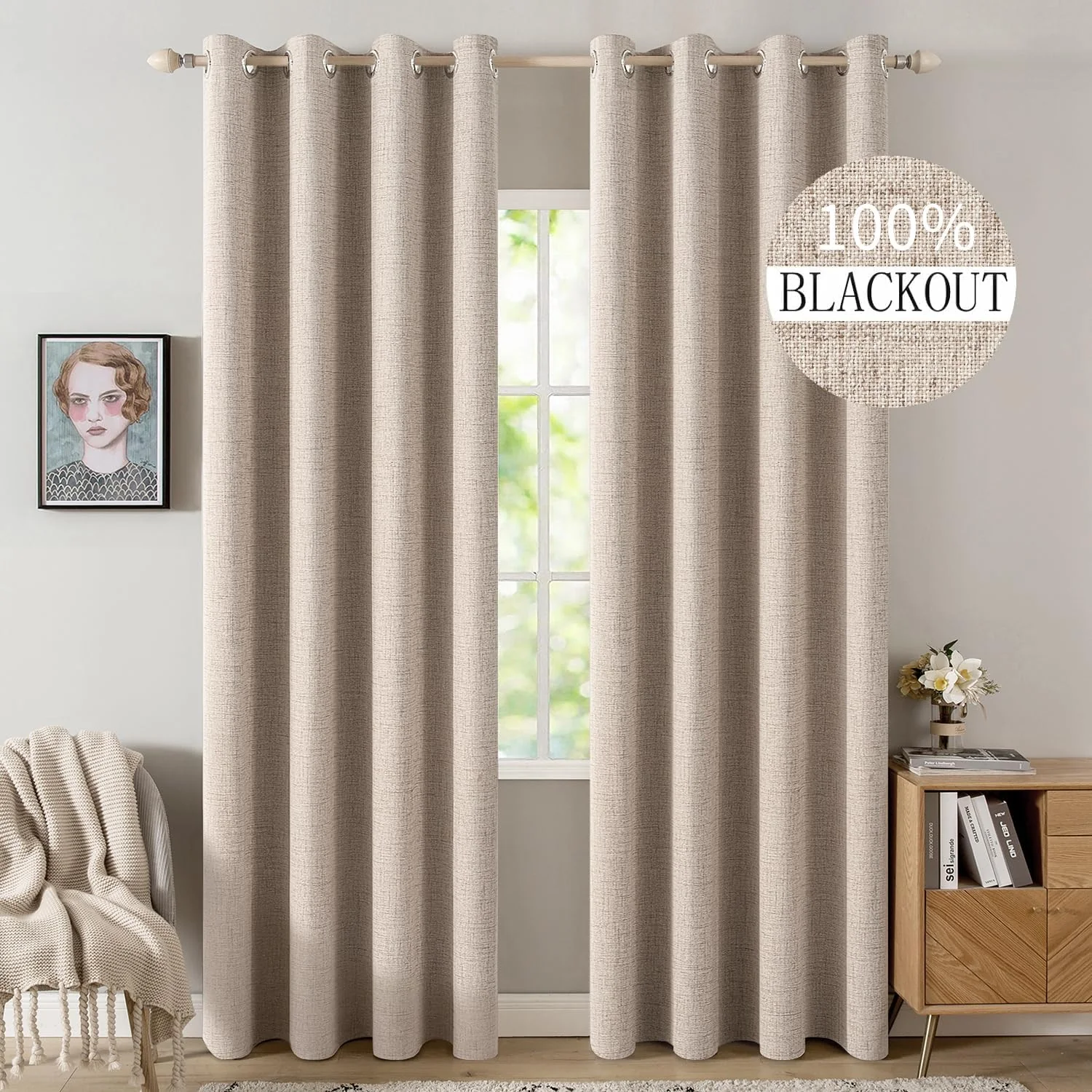
Cozy Neutral Linen Blackout Curtains
Natural beige linen blackout curtains for room darkening, thermal insulation, and a softer, calmer bedroom aesthetic.
Home Decor · Interior Inspiration · Style Guides
Transform your sleeping space into a peaceful haven with neutral blackout curtains that combine deep restful sleep with elevated calm room aesthetics.
Natural beige linen blackout curtains for room darkening, thermal insulation, and a softer, calmer bedroom aesthetic.
Creating a bedroom that genuinely feels like a retreat requires a delicate balance of aesthetics and function, especially when it comes to window treatments. For years, people believed that achieving total room darkening meant sacrificing style, often resorting to heavy, dark, and oppressive fabrics that made spaces feel smaller. Today, the design landscape has evolved, and neutral blackout curtains have emerged as the perfect solution for combining deep, restorative sleep with an elevated, calming room aesthetic. I have spent over a decade helping clients optimize their bedrooms for better rest, and this single upgrade frequently makes the most significant difference.
When you incorporate neutral blackout curtains into your space, you immediately soften the architectural lines of the room while simultaneously addressing one of the most critical factors in sleep hygiene: light pollution. Let’s explore exactly why these versatile window treatments are the ultimate finishing touch for a warm, minimalist, and serene bedroom.
When designing a bedroom, the primary objective is to create an environment conducive to rest. Unfortunately, standard unlined drapes or basic blinds often fail to block out the intrusive glow of streetlamps, passing cars, or the early morning sun. This light pollution disrupts your circadian rhythm, suppressing melatonin production and leading to fragmented, unrefreshing sleep. Upgrading to neutral blackout curtains directly addresses this biological need without compromising the visual lightness of your design.
The technology behind modern room-darkening fabrics has advanced dramatically over the last few years. Previously, blackout curtains relied on stiff, rubbery backings that were prone to cracking and hung rigidly, lacking the graceful drape of natural textiles. Now, manufacturers use sophisticated triple-weave technology, weaving high-density black yarns between two layers of lighter-colored fabric. This innovation means you can select soft, inviting colors like oatmeal, ivory, or natural beige, and still achieve up to 99 percent light blockage.
Beyond light control, these curtains offer exceptional thermal insulation and acoustic dampening. The dense fabric structure creates a barrier against the window glass, preventing cold drafts from seeping in during winter nights and reflecting harsh solar heat during summer afternoons. By maintaining a more consistent ambient temperature—ideally between 60 and 67 degrees Fahrenheit for optimal rest—these drapes actively contribute to a healthier sleep environment. Furthermore, the added mass helps absorb high-frequency sounds, muffling the hum of urban traffic and creating a quieter, more isolated sanctuary.
The texture of your window treatments plays a massive role in the overall atmosphere of the room. While velvet feels opulent and cotton feels crisp, nothing quite compares to the organic, relaxed elegance of linen. Natural beige linen texture brings a sense of calm and unpretentious luxury that perfectly complements minimalist and Scandinavian-inspired interiors.
Linen has a subtle, tactile irregularity that catches the light beautifully when the curtains are drawn open during the day. This texture prevents large expanses of fabric from looking flat or institutional. In a bedroom styled with warm oak cabinets, stacked books, and dried florals, a set of beige linen drapes ties the natural elements together, creating a cohesive, grounding palette. The color itself—a gentle, warm neutral—acts as a visual palate cleanser, allowing your eyes to rest rather than competing with other design elements.
Finding the right balance between this beautiful texture and functional light-blocking capabilities used to be a challenge. However, modern designs have seamlessly merged the two, offering a textured linen-blend face fabric backed by a high-performance thermal lining. This combination ensures that the curtains drape softly, puddling slightly on the floor for a relaxed look, while still providing the rigid functionality required for a good night’s sleep.
When sourcing these specific pieces for clients, I always look for options that prioritize both tactile quality and technical performance. The right pair will transform the room the moment they are hung.
Natural beige linen blackout curtains for room darkening, thermal insulation, and a softer, calmer bedroom aesthetic.
Even the most beautiful neutral blackout curtains will fail to look their best—or perform effectively—if they are sized or hung incorrectly. The most common mistake people make with window treatments is buying panels that are too narrow and hanging the rod too low and too close to the window frame. To maximize both the aesthetic impact and the light-blocking efficiency, you must scale your drapes generously.
First, consider the width. A single panel stretched taut across a window looks sparse and unfinished. For a luxurious, custom-draped appearance, the combined width of your curtain panels should be at least 1.5 to 2 times the total width of the window frame. This extra fabric ensures that when the curtains are closed, they maintain a rich, undulating fold rather than pulling flat. It also guarantees that the panels overlap sufficiently in the center and extend far enough past the edges of the window to prevent annoying halos of light from leaking through.
Next, focus on the height and placement of the curtain rod. To create the illusion of taller ceilings and larger windows, mount the rod at least 4 to 6 inches above the top of the window frame—or even closer to the ceiling line if space permits. Additionally, extend the rod 6 to 10 inches beyond the window frame on either side. This placement, known as “high and wide,” draws the eye upward and allows the curtains to frame the window gracefully when open, rather than obstructing the glass and blocking natural daylight. Ensure the panels are long enough to either lightly kiss the floor or puddle by one to two inches for a slightly more relaxed, romantic feel.
Integrating neutral blackout curtains into a minimalist bedroom requires thoughtful coordination with your existing decor. Because the curtains themselves are understated, they serve as a perfect backdrop for carefully curated, high-quality pieces.
To create a cohesive, calming aesthetic, pair your beige linen curtains with warm, natural materials. An oak nightstand or a solid wood cabinet introduces organic warmth that echoes the earthy tones of the fabric. Layering the room with subtle textures, such as a chunky knit wool throw on the bed or a soft, low-pile wool rug, adds depth without introducing visual clutter. When styling surfaces, keep it intentional: a stack of favorite books, a matte ceramic vase, and some dried flowers or fresh eucalyptus can bring life to the room without overwhelming it.
For those who want maximum versatility, consider installing a double curtain rod. This allows you to hang a layer of sheer, airy curtains behind your heavy blackout drapes. During the day, you can pull back the blackout panels and leave the sheers closed, filtering harsh sunlight into a soft, diffused glow while maintaining privacy. At night, drawing the heavy neutral blackout curtains provides total seclusion and darkness. This layered approach is a hallmark of high-end hotel design and is surprisingly easy to replicate at home.
Investing in high-quality window treatments means taking the time to maintain them properly. Neutral blackout curtains, particularly those with a linen-blend face fabric and a specialized thermal lining, require specific care to ensure they retain their shape, texture, and light-blocking efficacy over time.
Dust is the primary enemy of curtains, settling into the folds and dulling the fabric’s color. To keep your drapes looking fresh, incorporate them into your regular vacuuming routine. Use the upholstery brush attachment on your vacuum cleaner and gently run it down the length of the panels once a month, paying special attention to the top headers where dust tends to accumulate most heavily.
When it comes to deeper cleaning, always defer to the manufacturer’s care instructions. Many textured linen blackout drapes must be dry-cleaned to prevent the fabric from shrinking or the blackout lining from melting or degrading. If the care tag explicitly permits machine washing, use a gentle cycle with cold water and a mild detergent. Never put blackout curtains in the dryer on high heat, as this can permanently damage the thermal backing. Instead, hang them back on the rod while still slightly damp to air dry; the weight of the water will naturally pull out most wrinkles, leaving them perfectly smooth and ready to provide years of restful sleep.
Yes, modern neutral blackout curtains use an interwoven thermal lining that blocks up to 99 percent of external light without requiring a dark face fabric, allowing you to enjoy a bright aesthetic during the day and total darkness at night.
For optimal light blocking and a luxurious draped look, your blackout panels should measure at least 1.5 to 2 times the total width of your window frame to ensure they overlap and prevent edge light seepage.
Most textured linen blackout drapes should be dry cleaned or spot cleaned to protect the blackout lining from melting or shrinking, but always check the specific care tag for machine washability instructions.
Absolutely. The dense foam or triple-weave lining in high-quality blackout curtains creates a significant insulating barrier that traps heat during winter and reflects harsh sunlight during summer, reducing energy costs.