Lighting
Home Decor · Interior Inspiration · Style Guides
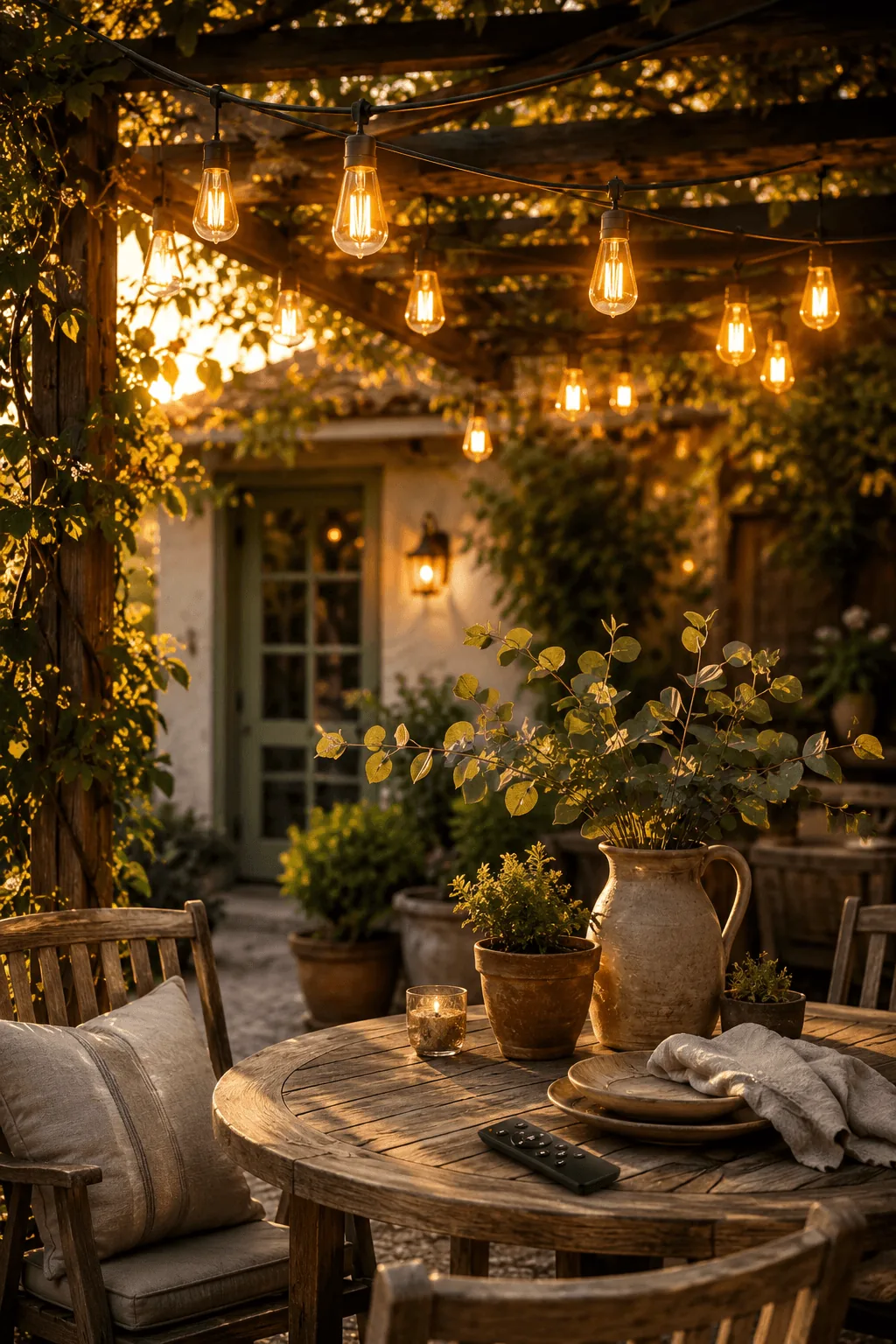
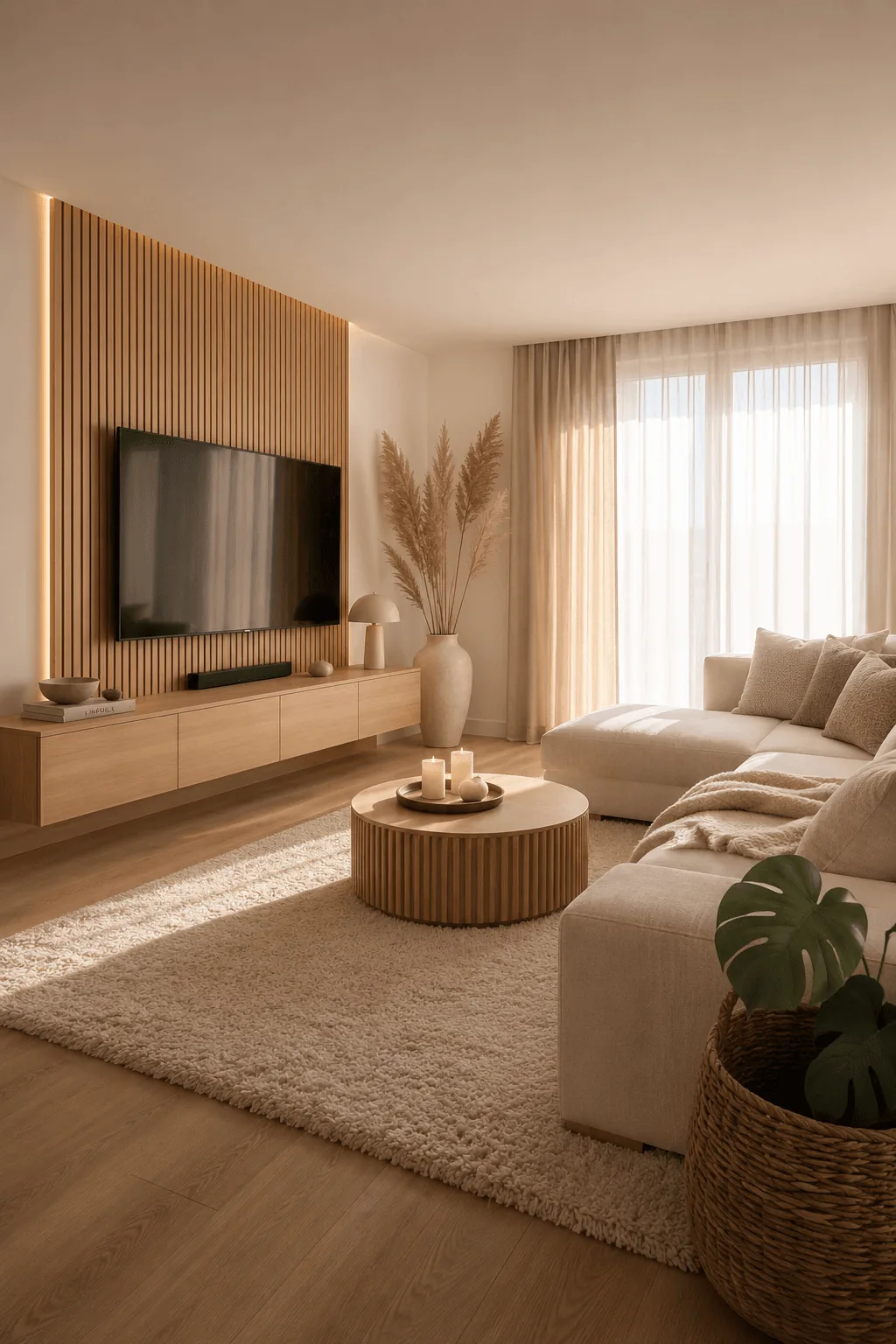
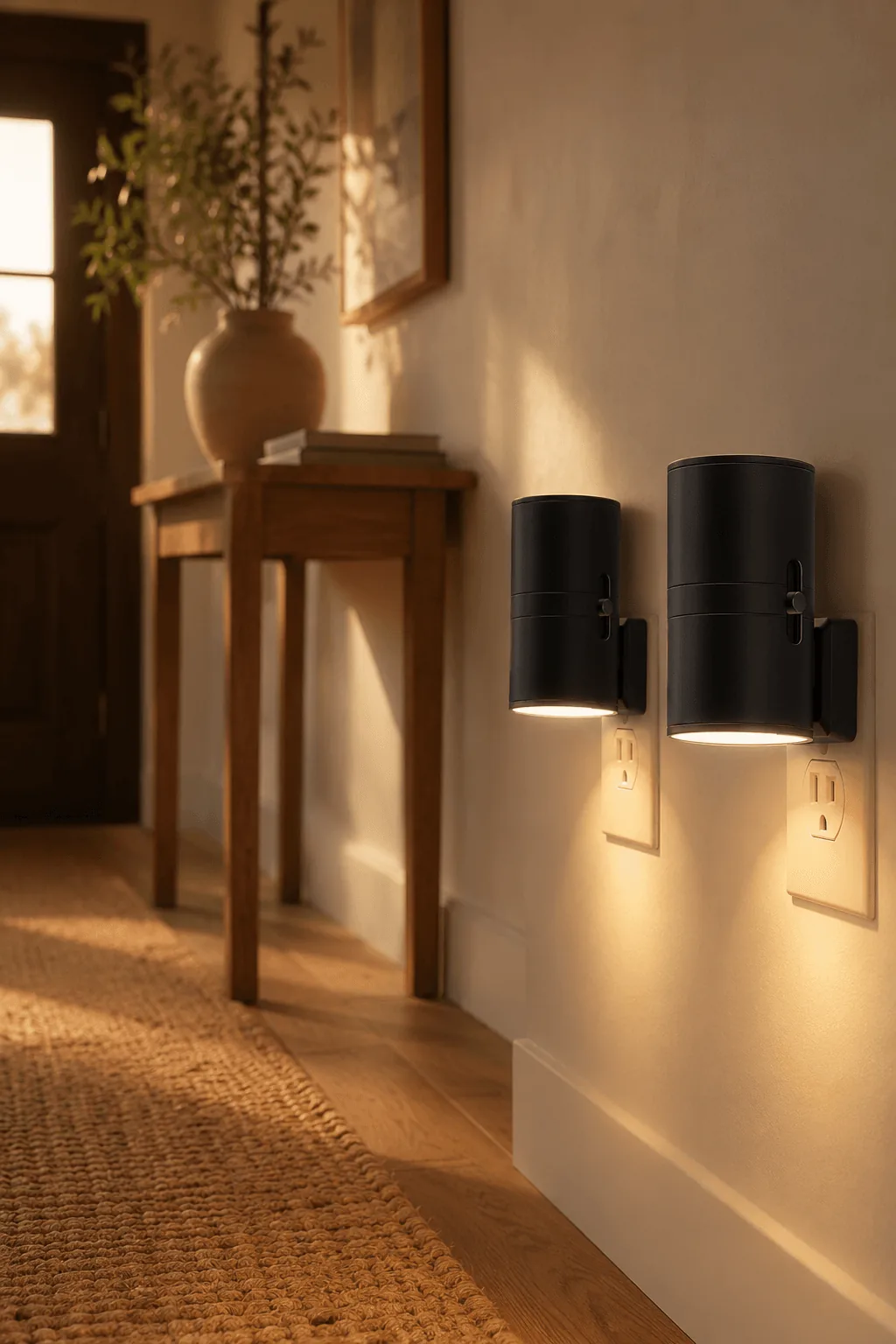
Warm lighting ideas for living rooms, bedrooms, hallways, and kitchens — covering colour temperature, layering, and budget-friendly upgrades. Start with Warm Winter Lighting Ideas for Dark Evenings: Hygge Glow and Warm Christmas Lighting Ideas for a Cozy, Magical Home.
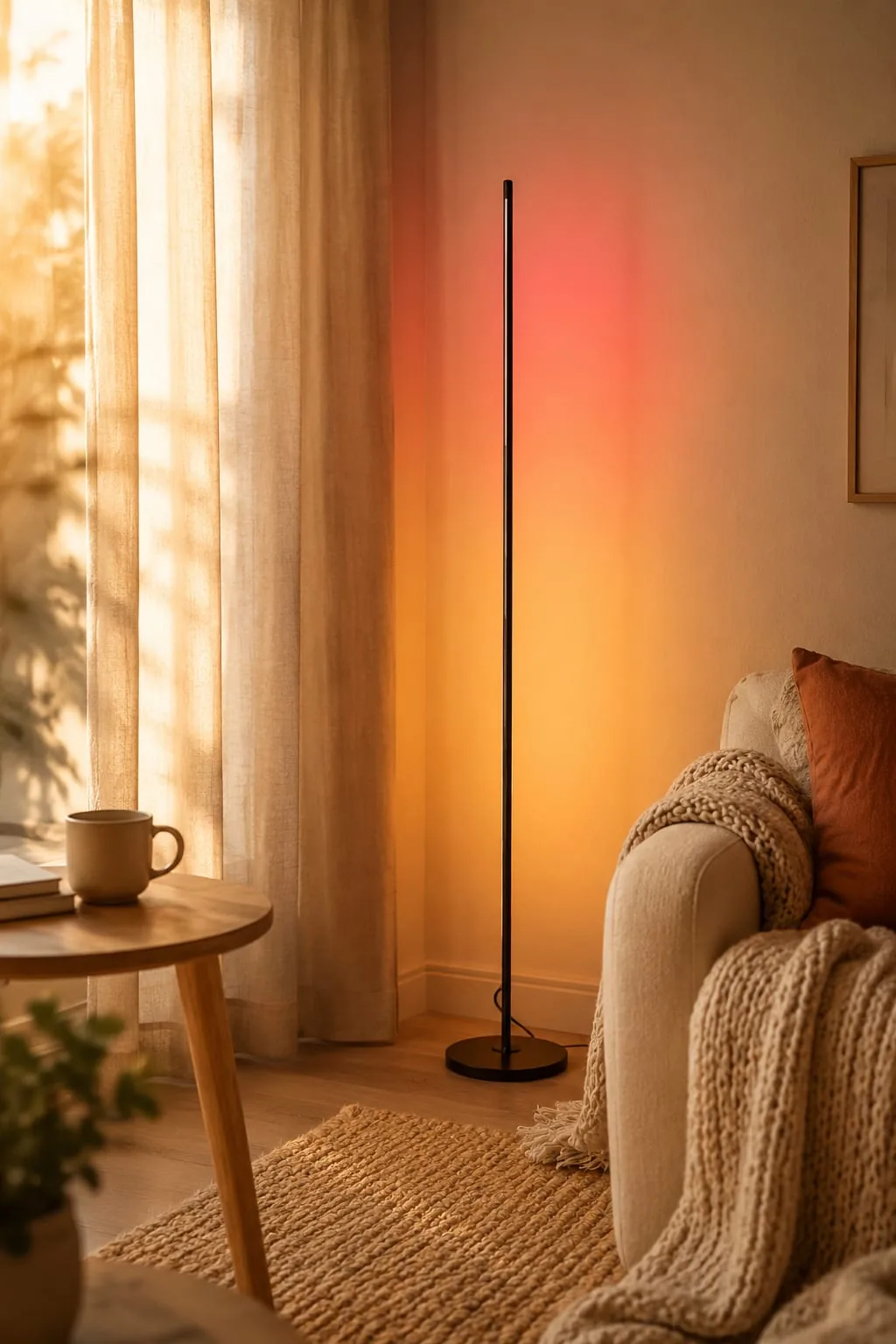
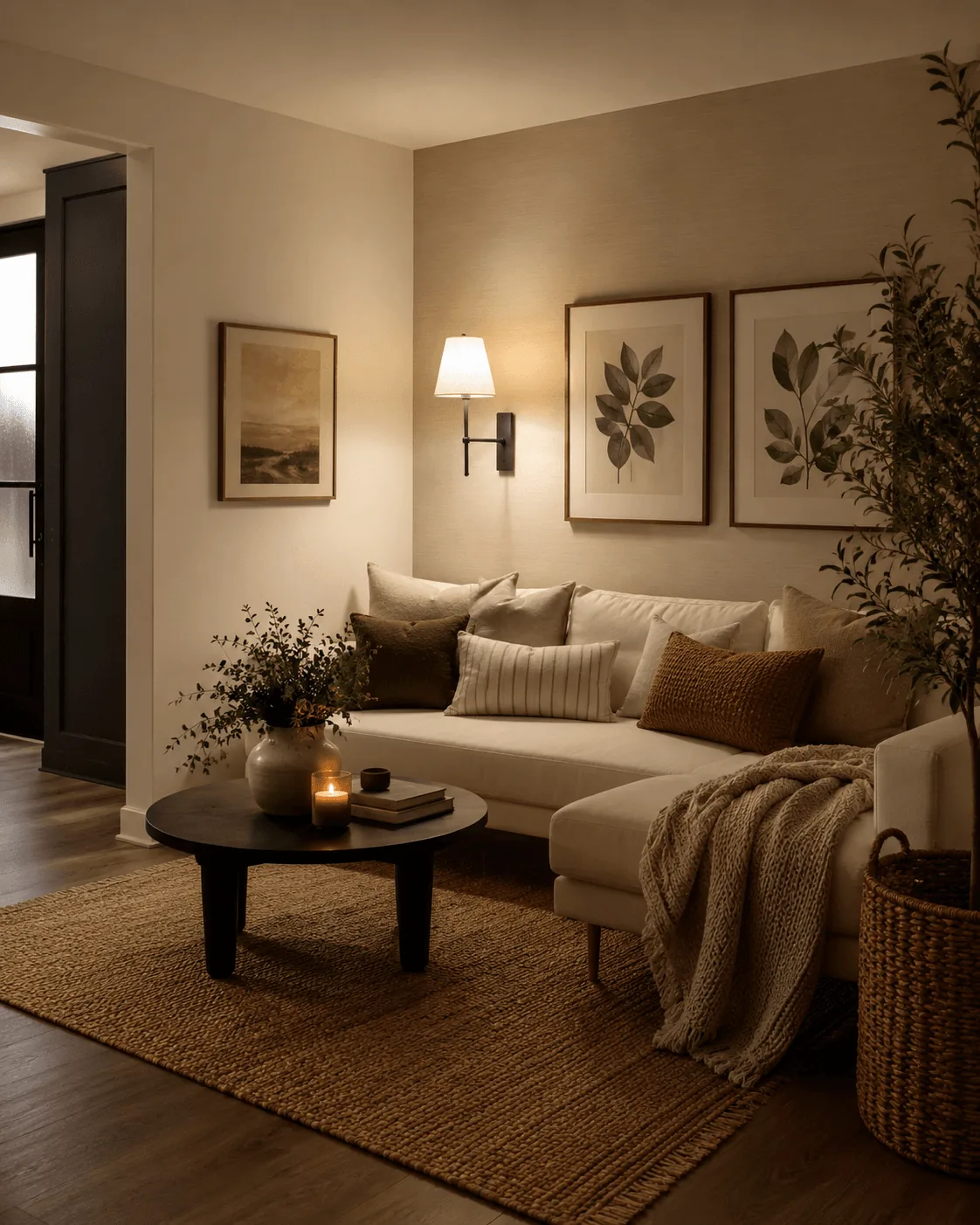
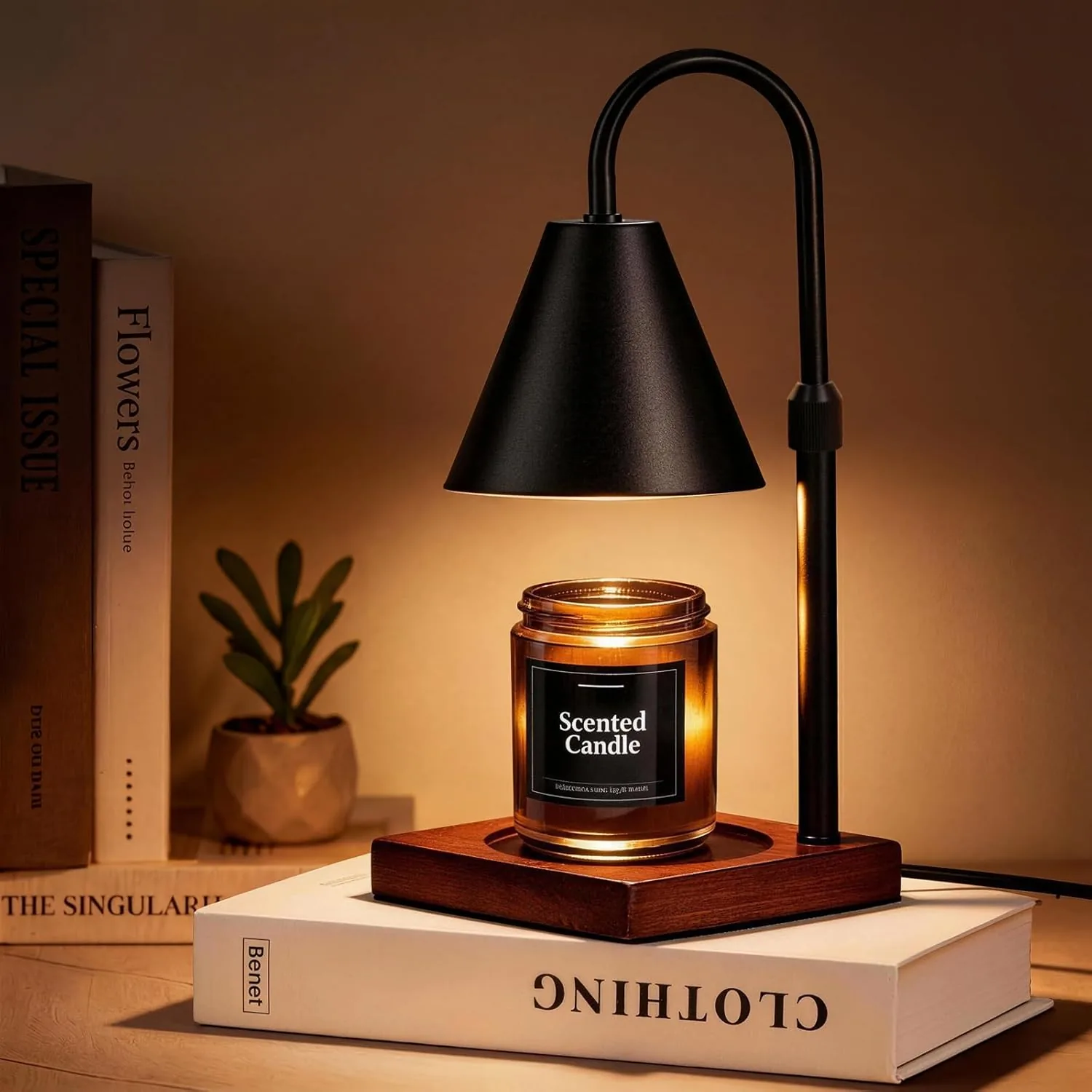
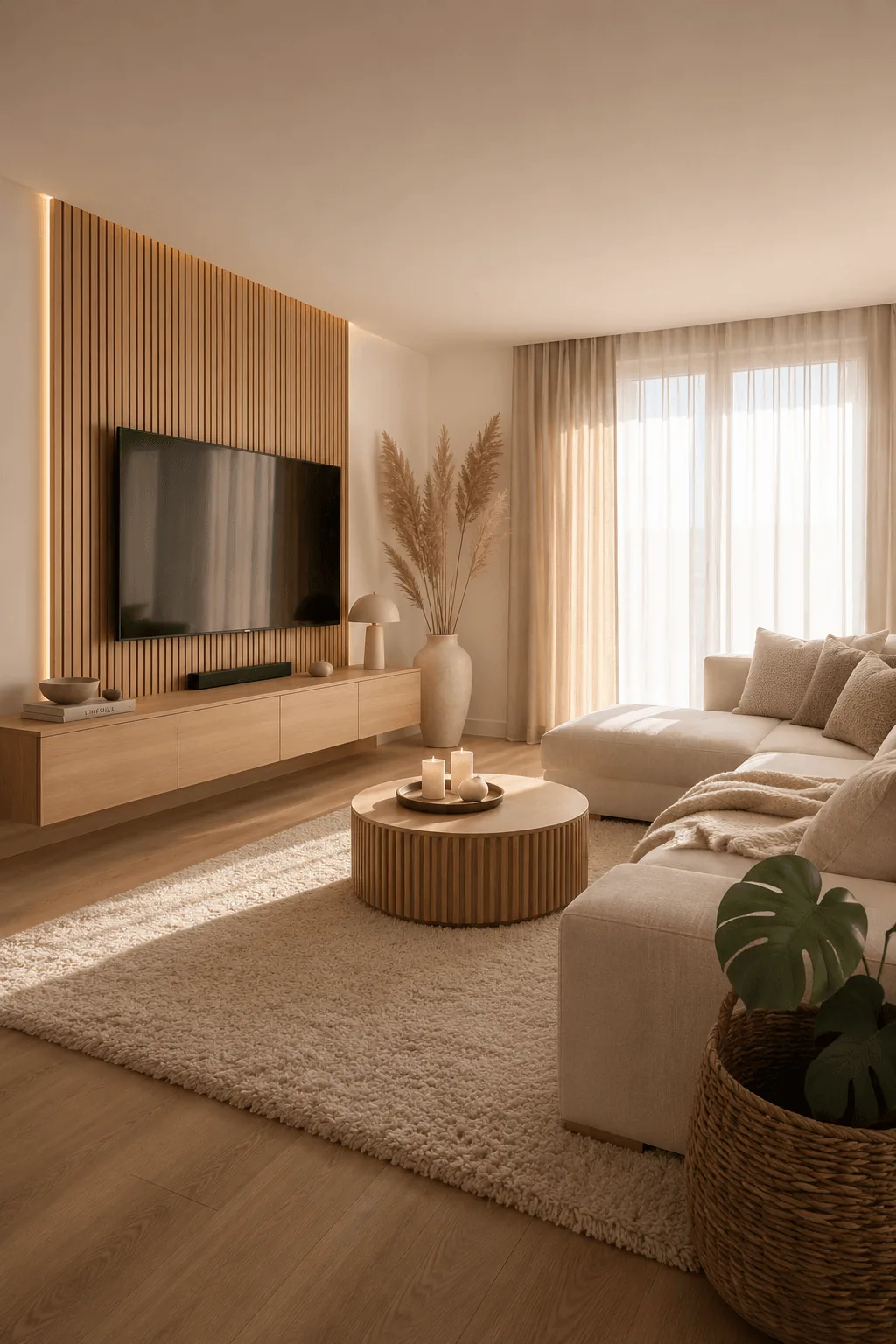
Lighting changes a room more than paint, furniture, or accessories. The difference between a flat 4000 K overhead fixture and a layered warm scheme at 2700 K is the difference between a room you pass through and one you want to stay in. This archive collects the lighting guidance that applies across every room in the house, from budget upgrades to statement chandeliers.
Colour temperature is the foundation. Residential rooms used after sunset almost always feel better in the 2700–3000 K range, which reads as candlelight to warm white. Anything above 4000 K belongs in task zones — home offices, utility rooms, garage benches — not in living rooms, bedrooms, or dining areas. Most of the articles below start from this principle and then show how to apply it with specific fixtures, placements, and layering strategies.
The three-layer model — ambient, task, and accent — is not just a design-school concept. It is the practical reason why a room with one ceiling fixture feels flat while a room with a floor lamp, a table lamp, and a dimmed pendant feels alive. Each layer solves a different problem: ambient light keeps you from tripping, task light helps you read or cook, and accent light gives the room shape and warmth after dark.
Use these articles when the room feels wrong at night, when overhead light is the only source, or when you want to understand why a budget lamp swap can do more for a room than an expensive rug.
Explore all topics in Home Decor or browse sibling subcategories.