Featured in this article
Small Round End Table Decor | Cozy 2-Tier Table Ideas
Style a small round end table with warm wood tones, books, and greenery for cozy living room decor. Perfect for small space organization.
Home Decor · Interior Inspiration · Style Guides
Style your small round end table decor with warm wood tones, books, and greenery to create a cozy, organized living room in any compact space.
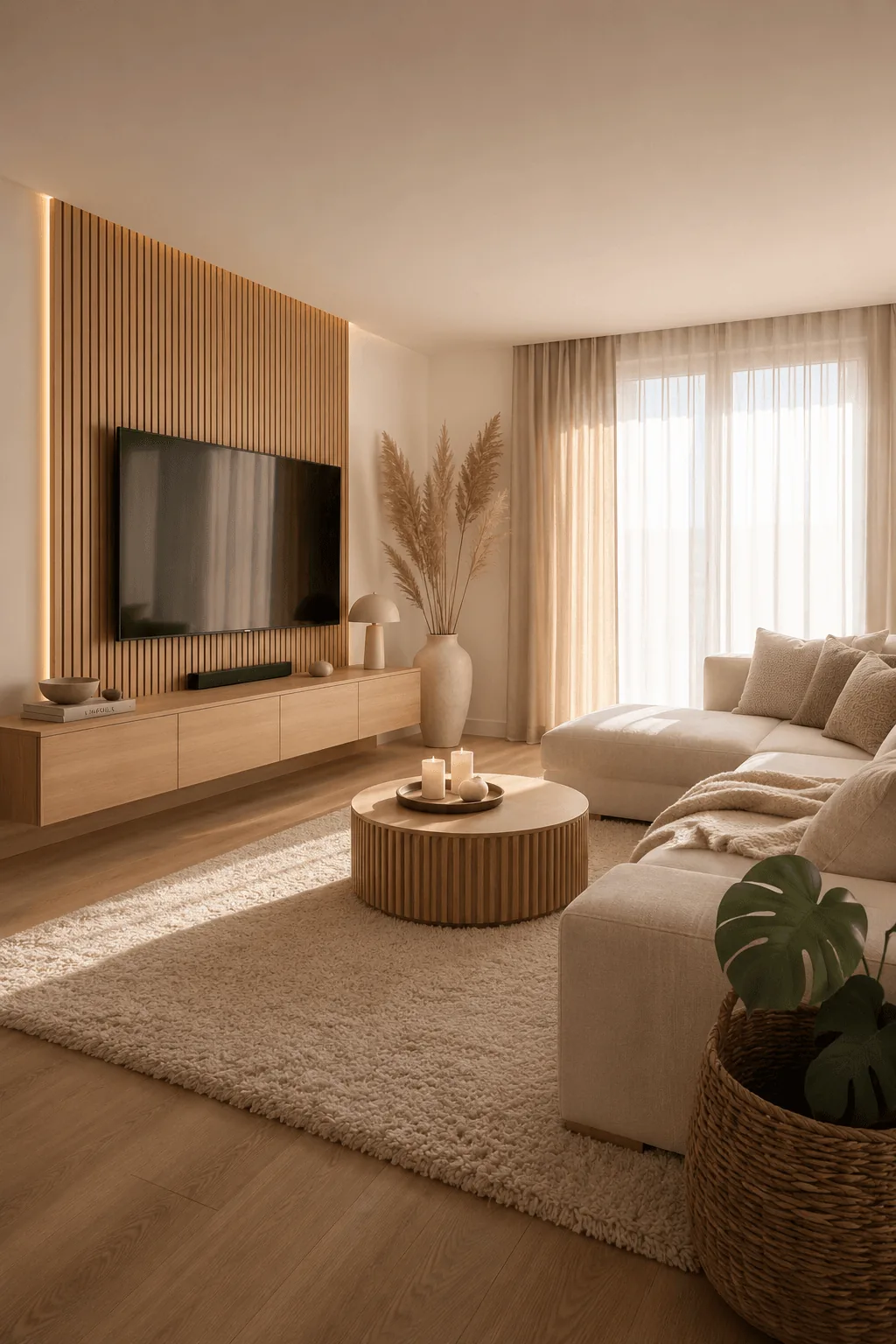
Style a small round end table with warm wood tones, books, and greenery for cozy living room decor. Perfect for small space organization.
When decorating a compact living space, every square centimeter requires thoughtful planning. Finding the perfect balance between aesthetics and utility can feel challenging, especially when dealing with limited seating areas. Implementing effective small round end table decor is an excellent way to introduce texture, warmth, and function without overwhelming the room. Unlike bulky rectangular pieces, a round table features soft curves that encourage better traffic flow, allowing the eye to sweep smoothly around the room. In small apartments or narrow layouts, these curves visually open up the space, making tight corners feel intentional rather than cramped.
In my experience styling residential apartments, focusing on warm wood tones, such as honey brown, instantly elevates the atmosphere, transforming a basic seating arrangement into a cozy, inviting retreat. The natural grain of the wood provides an organic contrast to upholstered sofas and crisp painted walls. When you deliberately curate the items placed on these tables, you transform them from mere drop zones into integral design features. By understanding how to balance scale, proportion, and color, anyone can master the art of styling these compact surfaces.
The geometry of your furniture profoundly impacts how a room feels. In a small living room, introducing too many sharp angles can make the space feel rigid and restrictive. A round table serves as a visual palette cleanser, softening the harsh lines of square rugs, rectangular televisions, and structured sofas. Because it lacks corners, a round end table naturally requires less clearance. This forgiving shape means you can tuck it closer to an armchair or sofa, preserving precious walking paths while still keeping your book or beverage within arm’s reach.
Furthermore, a two-tier design doubles the functional footprint without occupying any additional floor space. Vertical storage is the secret to successful small-space living. The top surface remains available for immediate necessities, while the lower shelf provides a structured home for display items or secondary storage. When executed properly, this arrangement creates a sense of depth and layering that makes the room feel sophisticated. If you are struggling with a particularly tight layout, exploring foundational small living room ideas can offer additional strategies for maximizing your available area.
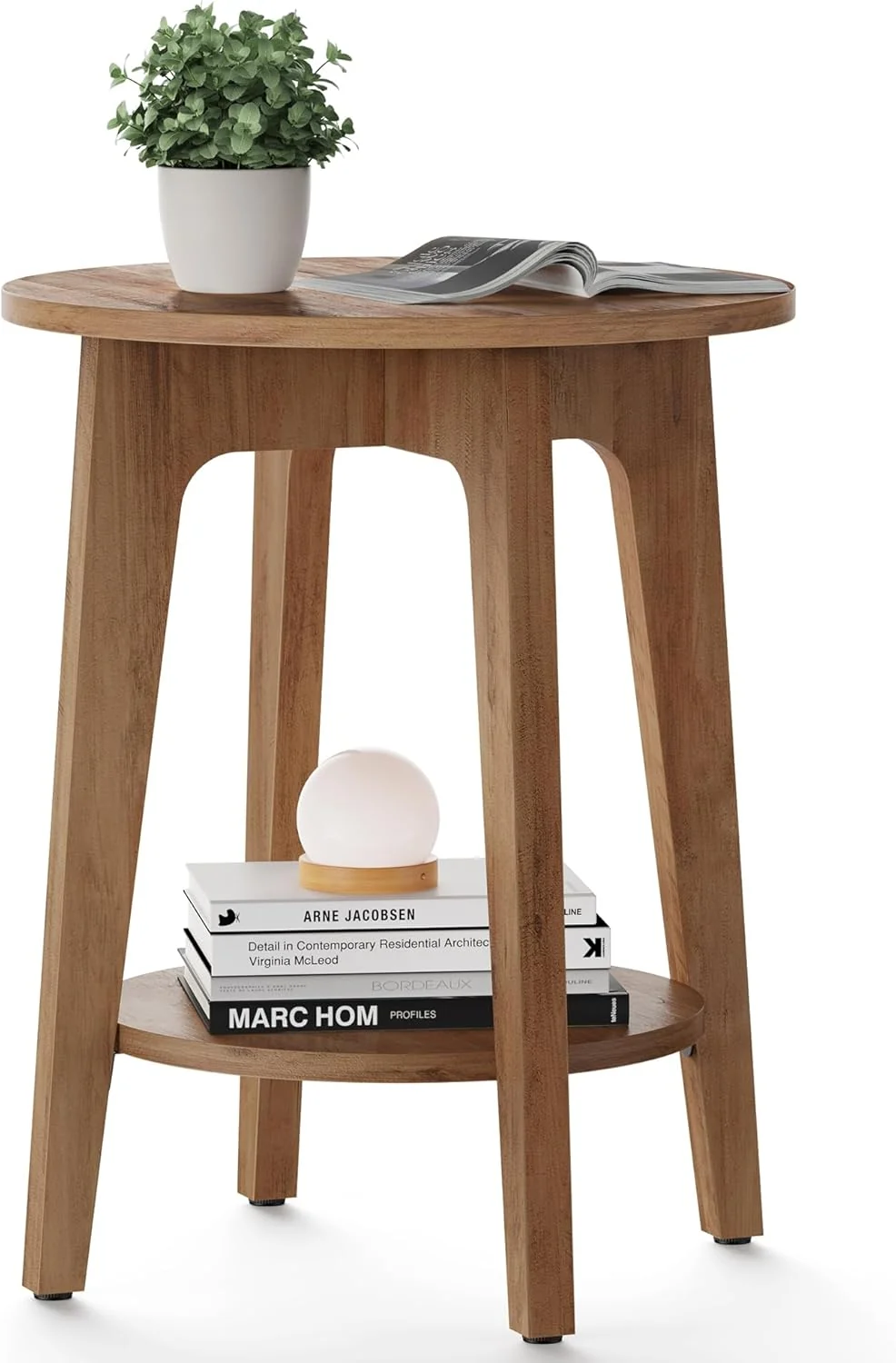
Creating a cohesive display on a small surface requires discipline. The goal is to curate a selection of items that look beautiful together without appearing cluttered. A fail-safe formula involves combining three primary elements: illumination, organic texture, and geometric grounding.
First, lighting is non-negotiable. A soft, ambient light source, such as a frosted glass orb or a slender table lamp, provides vertical height and draws the eye upward. Second, organic texture introduces life to the arrangement. A small potted plant—whether a trailing pothos or a compact succulent—adds a splash of vibrant green that contrasts beautifully with warm wood tones. Finally, geometric grounding provides a stable base. A small stack of two or three hardcover books creates a sturdy platform, varying the height of the objects and adding intellectual charm to the vignette.
When these three elements—light, nature, and structure—are combined, they create a balanced composition that feels simultaneously effortless and highly intentional. Avoid the temptation to add extra trinkets or small framed photos, as these can quickly devolve into visual noise.
The upper tier of your end table must remain highly functional while supporting the overall design scheme. This surface is where you will set down your evening tea, your reading glasses, or your phone, meaning it cannot be completely covered in decor. To maintain usability, cluster your decorative items tightly. Place the lamp toward the back of the table, closest to the wall or the sofa arm, to keep the cord hidden and the light source out of the direct line of sight.
Next, place a small, stylish coaster—perhaps made of marble or leather—in a dedicated spot. This signals that the table is ready for use and prevents water rings from damaging the wood finish. If you choose to display a plant on the top tier, select a low-profile pot that won’t easily tip over. By grouping these items together on one half or one third of the table’s surface, you leave ample negative space. This negative space is what prevents the table from feeling messy and ensures that it remains a practical piece of furniture rather than just a display stand.
The lower shelf of a two-tier end table presents a unique styling challenge. Because it sits closer to the floor and is often cast in shadow, it requires larger, more substantial items to make a visual impact. Small, delicate objects will get lost down here and simply look like floor clutter. Instead, use this lower tier to anchor the table visually.
A sturdy, decorative basket is an excellent choice. It introduces a woven texture—such as rattan or seagrass—that pairs beautifully with honey brown wood, and it provides a hidden sanctuary for television remotes, charging cables, or a folded throw blanket. Alternatively, a neat stack of oversized art or architecture books works perfectly. The straight, solid lines of the books contrast with the circular shape of the shelf, adding architectural interest. By keeping the lower tier organized and purposeful, you enhance the overall impact of the table.
In contexts where you want to incorporate more wood elements seamlessly, you might also consider reviewing how honey brown side tables for small living room styling coordinate with surrounding textiles to maintain visual harmony.
The specific piece you choose matters immensely. You want an item that balances a slim silhouette with rich, inviting materials. A table featuring a honey brown finish provides the ideal color temperature, bridging the gap between light neutral upholstery and darker room accents.
Style a small round end table with warm wood tones, books, and greenery for cozy living room decor. Perfect for small space organization.
The interaction between wood tones and your surrounding color palette defines the mood of the room. Honey brown is an incredibly versatile finish because it sits comfortably in the middle of the temperature spectrum. It is not as stark as pale ash, nor is it as heavy as dark espresso. When placed in a room dominated by warm neutrals—such as cream, beige, taupe, or soft linen—the honey brown wood acts as a grounding anchor.
To make this pairing sing, ensure there is enough contrast. If your sofa is beige and your rug is cream, the honey brown table will pop beautifully, providing a much-needed focal point. However, be cautious of introducing cool, grey tones that might clash with the golden undertones of the wood. Instead, lean into earthy accents. Olive green, soft terracotta, or muted mustard yellow cushions and throw blankets will harmonize perfectly with the wood, creating a cohesive, nature-inspired palette that feels deeply relaxing.
Lighting is arguably the most crucial component of end table decor. Overhead lighting can often feel harsh and clinical, flattening the textures in a room. By incorporating a soft light source on your end table, you create localized pools of warmth that invite relaxation. An orb light, featuring frosted or milk glass, is particularly effective. The spherical shape echoes the roundness of the table, creating a pleasing geometric repetition.
When selecting a bulb, always opt for a warm white temperature, ideally between 2700K and 3000K. This soft, golden glow enhances the natural warmth of the honey brown wood and makes the surrounding seating area feel intimate and sheltered. For the best result, use a dimmable fixture so you can adjust the ambiance according to the time of day and the mood you wish to create.
The final step in mastering end table styling is ongoing maintenance. A curated vignette can quickly become a disorganized pile if it becomes the default landing zone for mail, keys, and empty mugs. Establish a habit of clearing the table at the end of each day. This simple ritual ensures that the table remains a beautiful focal point rather than a source of stress.
Periodically review the items on display. If a plant has outgrown its pot and is dominating the surface, swap it out for something smaller. If the stack of books feels too heavy, remove one. The beauty of a small round table lies in its curated simplicity. By ruthlessly editing what earns a spot on this limited surface, you preserve the intentional, cozy aesthetic that makes the space feel like a true retreat.
The most effective approach is to group objects in odd numbers, such as three distinct items. A small lamp for height, a stack of books for texture, and a small potted plant work together seamlessly.
Dedicate the bottom shelf to heavier, geometric items like stacked hardcover books or a decorative storage box. Leave the top tier open for daily essentials like lighting and coasters to maintain an uncluttered appearance.
Aim for a diameter between 35 and 45 centimeters to ensure enough surface space without blocking walkways. The table should also sit roughly level with the armrest of your sofa, usually around 60 centimeters high.
Yes, mixing wood tones adds depth and prevents the room from feeling like a matching set. Pair a warm honey brown end table with lighter woods like white oak or birch to create a layered, organic aesthetic.