Featured in this article
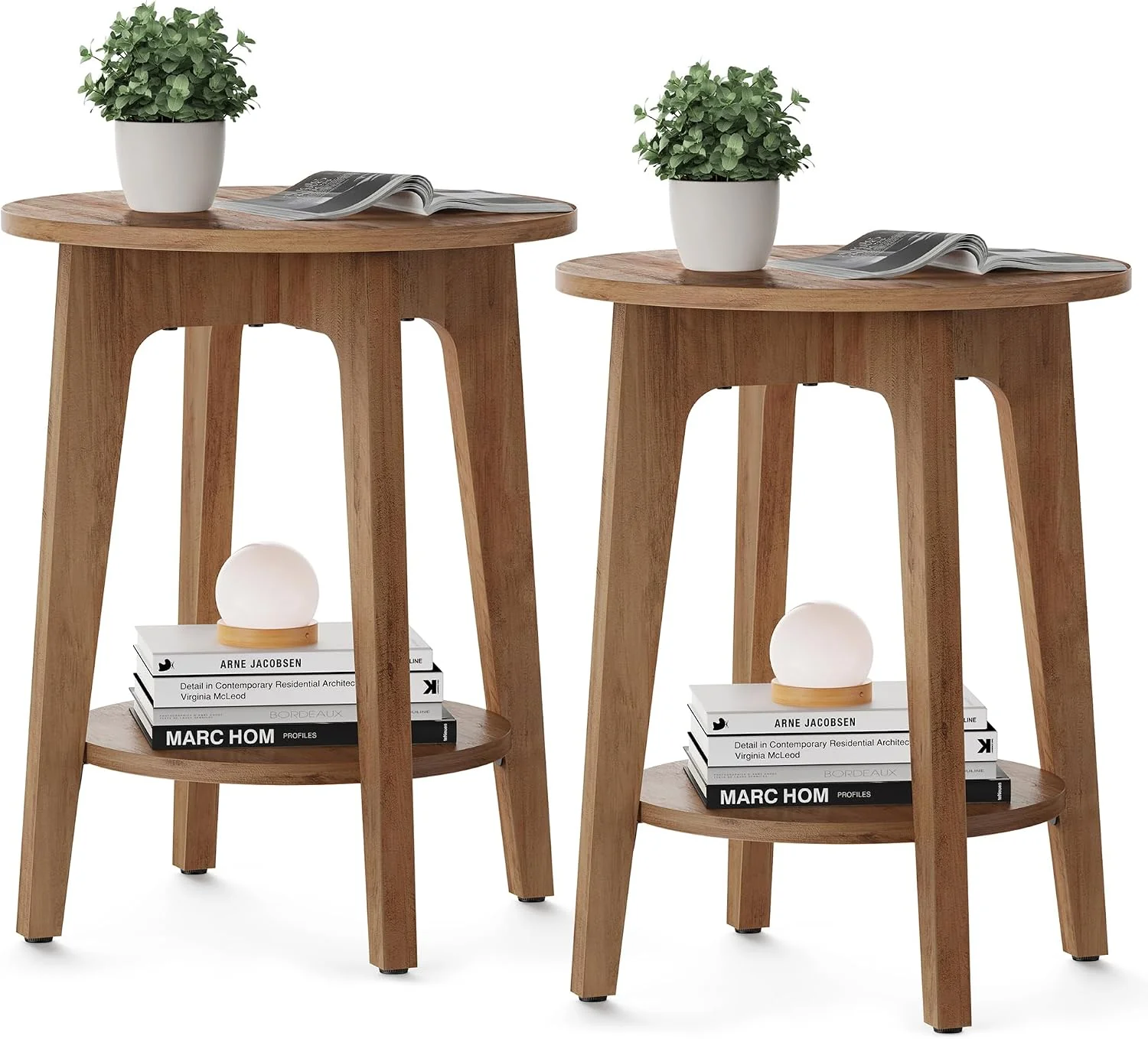
Cozy Honey Brown Side Tables
Two-tier honey brown round side tables designed for small space living rooms. The warm wood finish complements neutral decor while the lower shelf provides practical storage.
Home Decor · Interior Inspiration · Style Guides
Style honey brown side tables to bring warm neutral tones to a small living room without overwhelming tight seating areas or limited walkways.
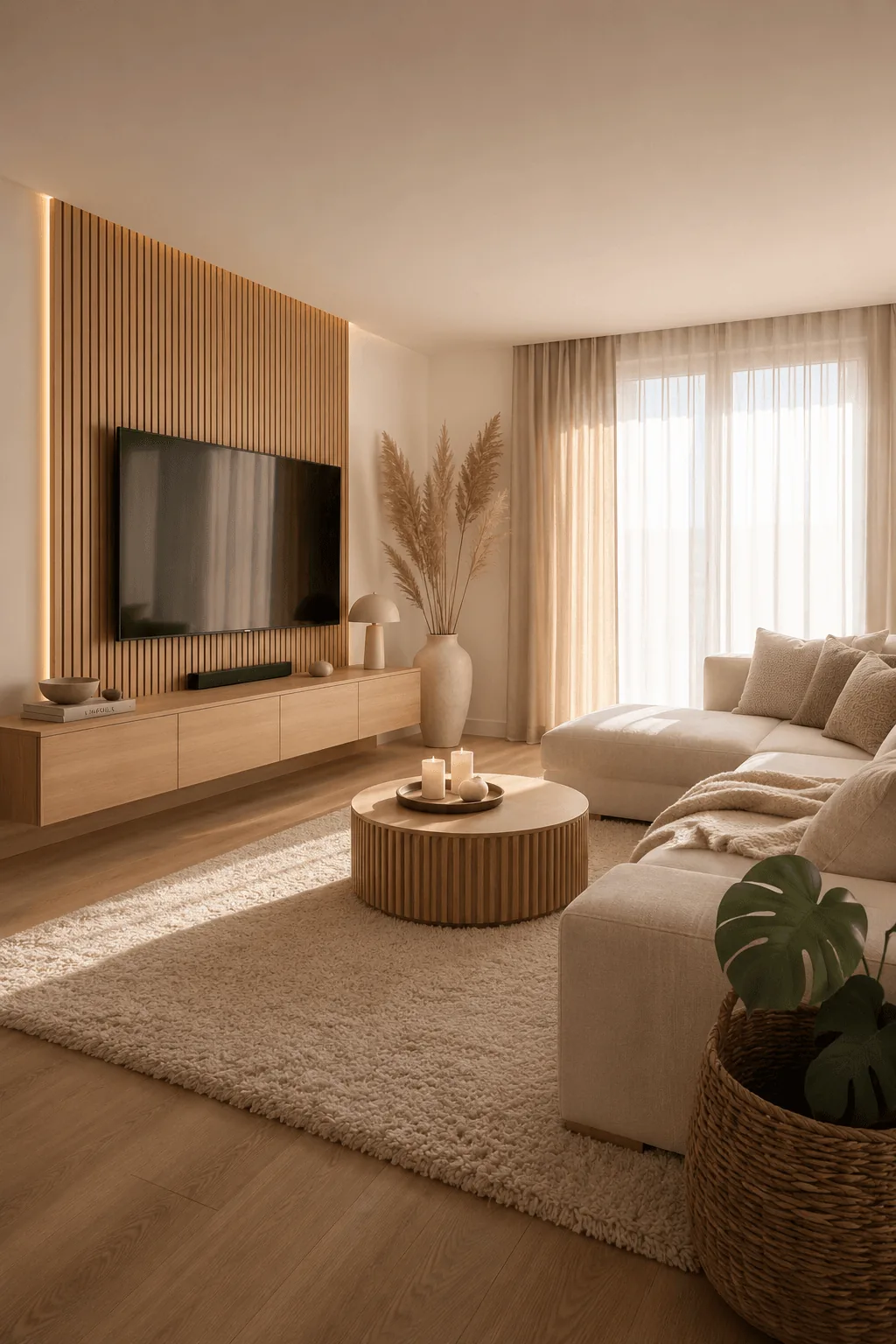
Two-tier honey brown round side tables designed for small space living rooms. The warm wood finish complements neutral decor while the lower shelf provides practical storage.
When decorating a compact space, every piece of furniture must earn its footprint. A small living room quickly feels crowded if you introduce bulky square end tables or dark, heavy materials that visually consume the room. In contrast, honey brown side tables offer a practical solution that marries warmth with a lightweight visual profile. The rich, golden hue of honey brown wood adds natural texture without the heavy visual weight of dark mahogany or espresso, making it an ideal choice for apartment living rooms and tight seating areas. If you are starting fresh with a challenging layout, reviewing foundational small living room ideas can help establish a clear baseline.
The most effective small living room layouts rely on pieces that serve multiple functions while maintaining clear sightlines. By choosing round side tables instead of angular ones, you immediately soften the room’s geometry and improve traffic flow. When these tables also feature a two-tier design, they double their utility, providing essential surface area for lighting and drinks alongside hidden storage for books or remotes. This approach to selecting furniture—prioritising scale, shape, and material—is the foundation of creating a living room that feels intentionally designed rather than simply filled.
In a small living room, color temperature is one of the most powerful tools available to make the space feel inviting rather than clinical. Honey brown side tables sit precisely in the middle of the wood-tone spectrum: they are warmer than pale ash or birch, yet significantly lighter and less imposing than traditional walnut or dark oak. This middle ground provides a necessary grounding effect in a room dominated by light neutrals like cream, beige, or soft white. The honey tone acts as a bridge between light upholstery and darker accent pieces, making warm whites and creams layering feel complete and balanced rather than stark and unfinished.
Using honey brown side tables also prevents the “floating” effect that sometimes occurs in hyper-minimalist spaces where all surfaces are painted white or cream. Wood grain introduces an organic texture that grounds the seating arrangement. When placed at the ends of a sofa, these tables define the seating zone without building a solid visual wall. Their light-reflective finish ensures that the corners of the room do not read as dark or heavy, which is a common problem when using darker woods in a room with limited natural light. By choosing honey brown, you introduce warmth and definition while keeping the overall aesthetic light and breathable.
Shape is just as critical as material when working with limited square footage. Round side tables are inherently better suited for small living rooms than their square or rectangular counterparts. A square table creates sharp corners that intrude into walkways, forcing you to navigate carefully around them. A round table, on the other hand, allows for a more forgiving circulation path. The lack of sharp edges makes the seating area feel more open and accessible, even if the actual clearance is tight, giving the illusion of small living rooms that feel twice their size.
When that round table features a two-tier design, its value in a small space multiplies. The top tier remains dedicated to immediate needs: a table lamp, a coaster, or perhaps a small ceramic vase. The lower tier becomes a structured storage zone, holding items that would otherwise clutter the main surface. In a room where a coffee table might be too large or intrusive, a pair of two-tier honey brown side tables can easily take over the storage duties. A diameter of 40 cm is typically ideal; it is wide enough to be functional but slim enough to tuck tightly beside an armchair or sofa. The vertical integration of storage prevents horizontal spread, which is the primary enemy of a clean, small-space layout.
Two-tier honey brown round side tables designed for small space living rooms. The warm wood finish complements neutral decor while the lower shelf provides practical storage.
Honey brown side tables shine brightest when paired with a warm neutral palette. If your living room features a cream boucle sofa, beige linen curtains, or an oatmeal-colored rug, honey brown wood introduces a complementary warmth that prevents the room from feeling washed out. The key to successful styling is contrast without clash. The yellow-orange undertones of honey brown wood pop beautifully against soft whites and warm greys, creating a layered, sophisticated look that feels both cozy and modern.
When layering these neutrals, pay attention to the surrounding textiles. Avoid cool, icy blues or stark, hospital whites, as these can make the honey brown look overly yellow or dated. Instead, lean into earthy, organic colors like sage green, terracotta, or muted mustard. A textured throw blanket in one of these shades draped over a nearby chair can visually link the wood tone to the rest of the room. The goal is to create a cohesive environment where the honey brown side tables feel like a natural extension of a broader, earth-inspired color scheme, rather than isolated pieces of wood furniture.
The relationship between your sofa and your side tables dictates the flow of your living room. Honey brown side tables pair exceptionally well with low-profile, modern sofas. When the top of the side table aligns roughly with the height of the sofa arm (typically around 60 to 65 cm from the floor), it creates a continuous horizontal line that is very pleasing to the eye. This alignment makes the seating area look wider and more deliberate.
If you are working with a curved sofa, round side tables are practically mandatory. The circular footprint of the tables echoes the sweeping lines of the sofa, creating a harmonious and unified seating arrangement. Even with a traditional, straight-lined sofa, round tables provide a necessary contrast to the sharp angles of the cushions and frame. When positioning the tables, remember to leave a gap of at least 15 cm between the table edge and the sofa arm. This negative space is crucial; it prevents the furniture from looking jammed together and allows for the easy draping of a throw blanket or the clear visual reading of the table’s shape.
In a small living room, every centimetre matters. The placement of your honey brown side tables must be calculated to preserve functional walkways. A common mistake is prioritizing symmetry over circulation. If placing an identical table on both sides of the sofa restricts the main walkway to less than 60 cm, it is better to use only one table or to place the second table next to an accent chair instead.
When measuring for side tables, always account for the overhang of table lamps or the spread of decorative branches. A table with a 40 cm diameter might functionally require a 50 cm footprint once dressed. Ensure that the table does not block access to window handles, electrical outlets, or the main traffic route from the doorway to the seating area. If the table must be placed close to a wall, pulling it just 5 to 10 cm away from the skirting board can create a subtle shadow line that makes the room feel slightly deeper. These micro-adjustments in clearance are what separate a room that merely holds furniture from a room that feels comfortably inhabited.
The lower shelf of a two-tier table is a styling opportunity that easily becomes a dumping ground. To keep your honey brown side tables looking intentional, treat the lower shelf as a display area rather than a catch-all for daily detritus. The most effective approach is to use solid, geometric objects that anchor the space visually. A stack of two or three substantial hardcover books works perfectly; their straight lines contrast nicely with the round shape of the table.
Alternatively, consider a low, wide ceramic bowl or a small woven basket. These items add texture and can conceal smaller items like remote controls or coasters if necessary. Avoid placing multiple small, disparate objects on the lower shelf, as this will register as visual noise when viewed from across the room. Keep the arrangement simple and low-profile, ensuring that there is still visible negative space above the objects before the upper tier begins. By carefully managing the styling of both tiers, you maximize the utility of the table while maintaining the clean, open aesthetic essential for small space living.
Aim for a diameter of 35 to 45 cm for small spaces. This size is large enough to hold a table lamp and a drink, but compact enough not to intrude on main walking paths.
Yes, especially in small living rooms where floor space is limited. The lower tier adds valuable storage for books or small decorative items without expanding the table’s overall footprint.
Treat honey brown as a warm anchor. Pair it with lighter woods like ash or birch for contrast, or stick to painted surfaces (like white or cream) to let the honey brown tone stand out. Avoid matching it perfectly to large furniture pieces to prevent a flat, commercial look.
Absolutely. The circular shape of the table mimics the soft lines of a curved sofa. Just ensure there is at least 15 cm of clearance between the table and the sofa arm to allow for comfortable use and visual breathing room.