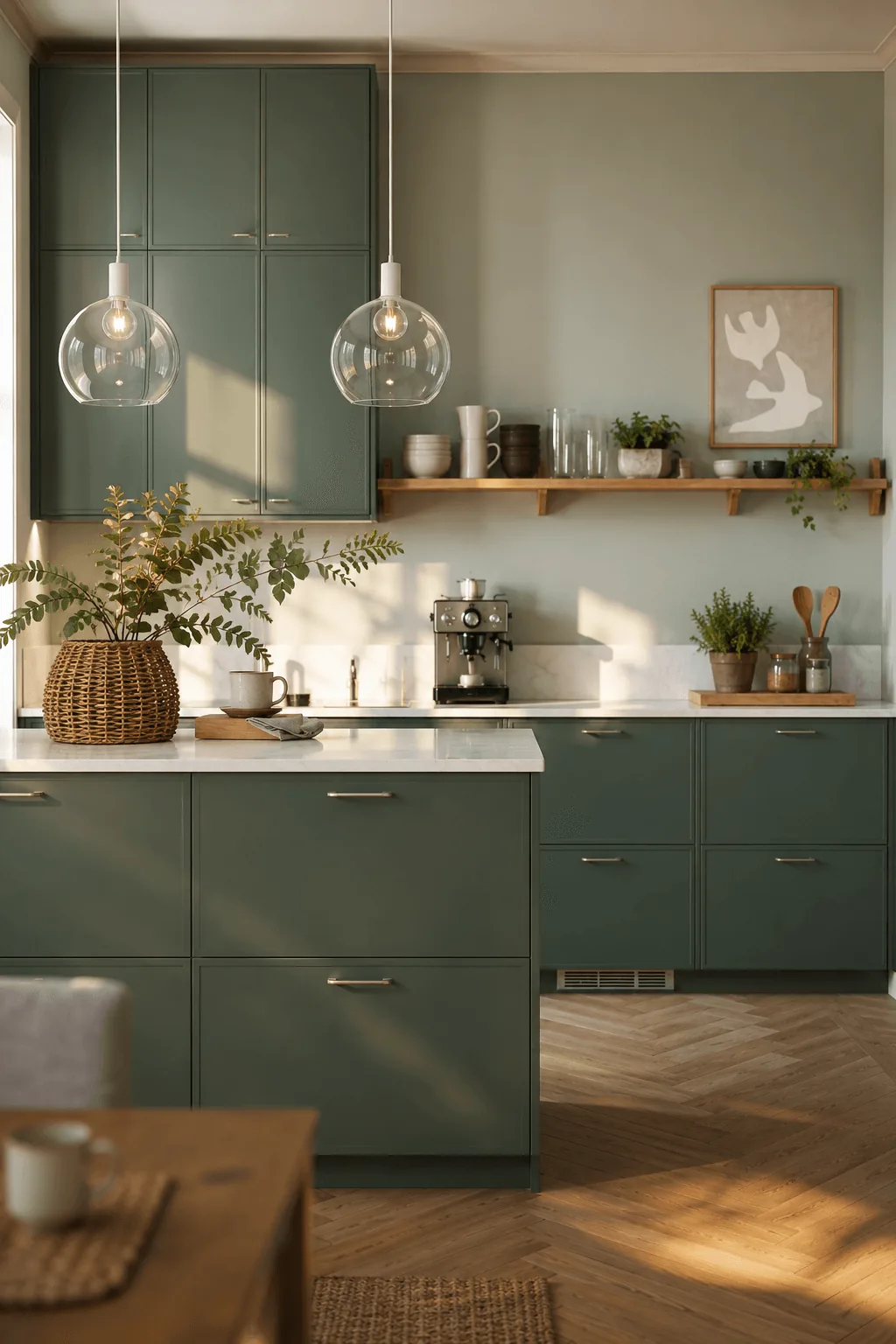
When it comes to outfitting a kitchen, the tools we reach for daily should offer more than just basic functionality; they should contribute to the overall aesthetic and emotional warmth of the space. Integrating an acacia wood kitchen utensil set into your daily routine is one of the simplest yet most effective ways to elevate both your cooking experience and your countertop styling. Unlike cold, clinical stainless steel or brightly colored silicone that can disrupt a calm, neutral palette, acacia wood brings a grounding, organic element directly to the heart of your home. It bridges the gap between culinary performance and interior design.
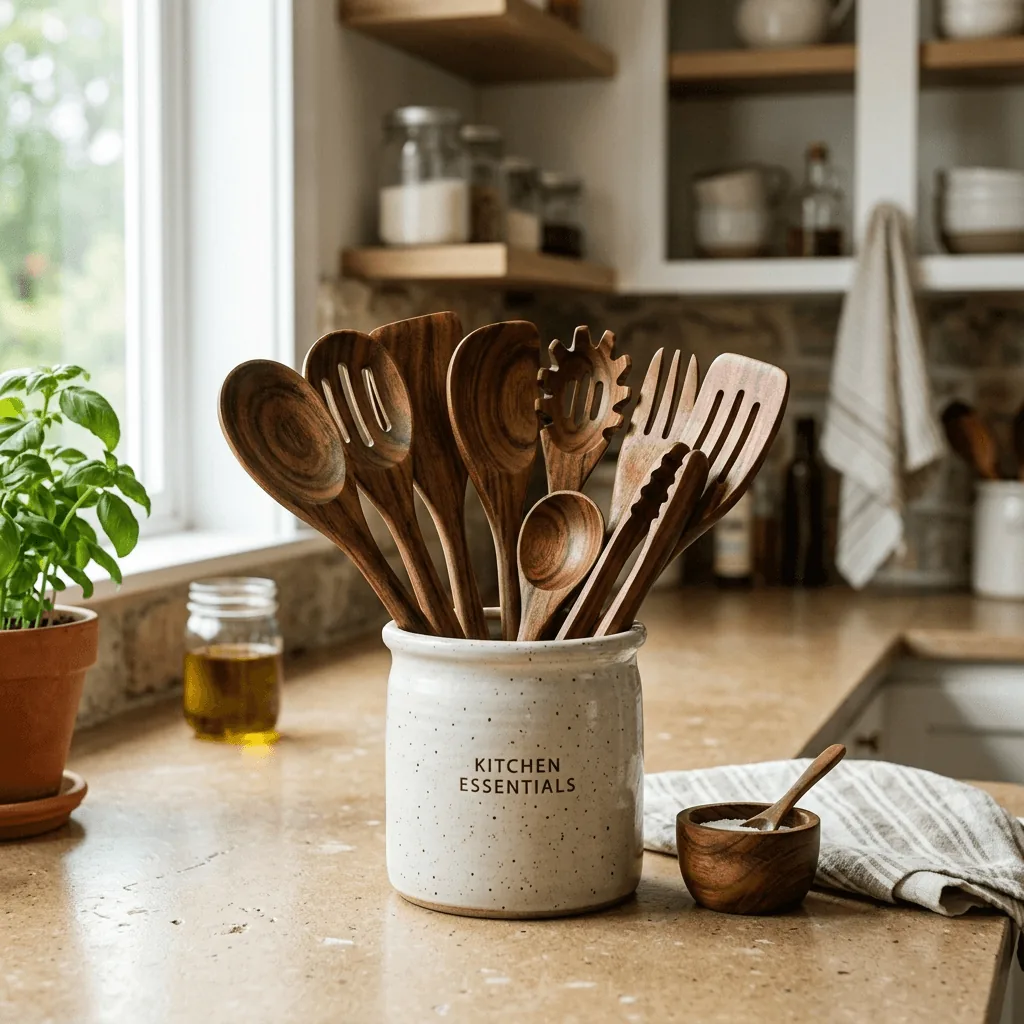
If you are striving to create a kitchen that feels curated rather than cluttered, every item left on the counter must earn its place. A beautiful set of wooden spoons and spatulas, housed in a textured ceramic crock, ceases to be mere cooking equipment and becomes a deliberate decor choice. The rich, varied grain of the acacia wood introduces warmth and texture, softening the hard edges of quartz countertops and glossy tile backsplashes. Let’s explore why this specific material is the ultimate choice for both serious home cooks and design enthusiasts alike.
Why Acacia Wood is the Superior Choice for Kitchen Utensils
When evaluating materials for wooden spoons and spatulas, acacia wood stands out as a premium option, far surpassing alternatives like pine, beech, or even the ubiquitous bamboo. Acacia is a genuine hardwood, boasting an incredibly dense and tight grain structure. This density is crucial for kitchen tools because it means the wood is naturally less porous. A less porous surface absorbs less water, food coloring, and odors, making acacia utensils highly resistant to staining and bacterial growth. If you frequently cook with turmeric, tomato paste, or deeply pigmented spices, you know how quickly lighter woods can become permanently discolored. Acacia’s natural defenses, combined with its naturally dark and variegated tones, mask minor stains and maintain a pristine appearance for years.
Furthermore, acacia wood is exceptionally durable and heat resistant. When you are deglazing a blazing hot cast iron skillet or stirring a thick, heavy stew, you need a tool that will not splinter, crack, or bend under pressure. Acacia provides a reassuring rigidity and heft in the hand, giving you precise control over your ingredients. Unlike plastic or cheap silicone, acacia will not melt or leach harmful chemicals when exposed to high temperatures, ensuring your meals remain safe and untainted. The material is also surprisingly lightweight given its density, preventing wrist fatigue during extended cooking sessions. It is this rare combination of resilience, safety, and comfort that makes acacia the preferred choice for discerning cooks who demand longevity from their tools.
Protecting Your Expensive Nonstick Cookware
One of the most practical reasons to invest in a high-quality wooden set is the protection it offers your other cookware. Modern kitchens are often equipped with high-end ceramic, hard-anodized aluminum, or traditional Teflon-coated nonstick pans. These surfaces are notoriously fragile and can be instantly ruined by a single errant scrape from a metal spatula or whisk. Once a nonstick coating is scratched, it loses its nonstick properties and can even begin to flake off into your food, necessitating an expensive replacement.
Acacia wood is the perfect mediator between force and fragility. The wood is hard enough to effectively scrape the coveted fond—the caramelized brown bits of flavor—from the bottom of a roasting pan, yet it is soft and yielding enough that it will never gouge or scratch a delicate nonstick coating. When using an acacia wood turner to flip fragile fish fillets or fold delicate omelets, the smooth, sanded edge glides effortlessly across the pan’s surface. This gentle touch extends the lifespan of your expensive cookware significantly, making the utensil set a wise investment that pays dividends by protecting your pots and pans. Even if you primarily cook with indestructible cast iron or stainless steel, the quiet, scraping sound of wood against metal is far more pleasant and less jarring than the harsh scrape of metal on metal, contributing to a calmer, more mindful cooking environment.
Styling Your Utensils on the Countertop
In a well-designed kitchen, the line between utility and decor is completely blurred. Tucking beautiful wooden tools away in a dark drawer is a missed design opportunity. Displaying them on the countertop adds immediate warmth and character, but the presentation must be intentional. The key to successful countertop styling is containment and contrast. Do not simply jam a random assortment of plastic, metal, and wood tools into a single container. Instead, edit your visible tools down to a cohesive collection—your acacia wood kitchen utensil set—and give them a dedicated, beautiful home.
Start by selecting the right vessel. A heavy, matte ceramic crock in a soft bone, charcoal, or earthy terracotta provides the perfect visual contrast to the rich, warm tones of the acacia wood. Ensure the crock is tall enough to support the utensils without them flopping outward, typically around six to seven inches in height. Place the crock strategically: nestled next to the stove for easy access, perhaps anchored on a small marble or travertine tray alongside a matching wooden salt cellar and a bottle of high-quality olive oil. This creates a styled “cooking station” vignette rather than a random pile of clutter. The organic variation in the acacia wood grain ensures that no two spoons look exactly alike, adding a layer of bespoke, artisanal charm to your kitchen that mass-produced plastic tools simply cannot replicate.
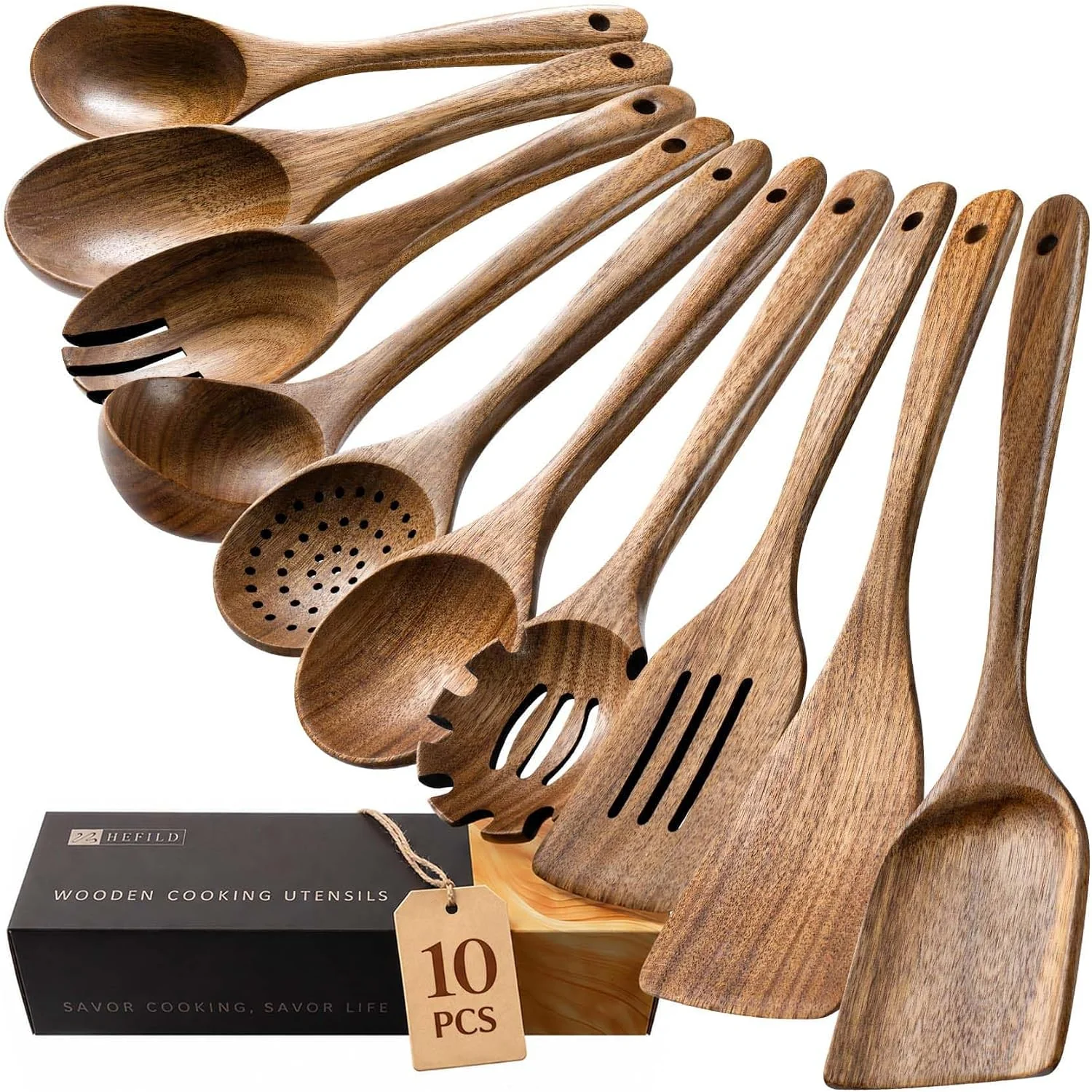
10-Piece Acacia Wood Utensil Set | Cozy Kitchen Essentials 2026
Elevate your everyday cooking with a beautiful acacia wood kitchen utensil set that blends rustic warmth with modern function. Perfect for small kitchen organization, these wooden spoons and spatulas are gentle on nonstick cookware and stunning on any countertop. Click to shop the look on Amazon.
Cleaning and Maintaining Wooden Utensils
To ensure your wooden kitchen tools last a lifetime and retain their structural integrity and beauty, proper maintenance is non-negotiable. The absolute golden rule of wooden utensils is to never, under any circumstances, place them in the dishwasher. The harsh environment of a modern dishwasher—featuring extended exposure to boiling water, caustic alkaline detergents, and intense heat during the drying cycle—will rapidly strip the wood of its natural oils. This leads to immediate drying, warping, splintering, and eventual cracking, effectively destroying the tool in a matter of months.
Instead, commit to a simple hand-washing routine. Immediately after cooking, wash the utensils with warm water and a mild dish soap using a soft sponge. If food has dried on, allow the utensil to soak for no more than five minutes; prolonged submersion in water is just as damaging as the dishwasher. Once clean, dry the wood immediately and thoroughly with a clean microfiber towel and stand it upright in your crock to allow air to circulate around the entire surface.
Beyond daily cleaning, your acacia wood requires periodic conditioning to remain supple and vibrant. Every three to four weeks, dedicate five minutes to oiling your set. Use a food-safe mineral oil or a specialized wood conditioner that includes natural beeswax. Avoid using culinary oils like olive or vegetable oil, as these will eventually go rancid and impart a foul odor to the wood. Apply a generous coat of mineral oil with a soft cloth, ensuring you cover every curve and handle. Let the oil soak into the wood overnight, and simply buff away any remaining residue the next morning. This ritual not only restores the deep, lustrous color of the acacia grain but also creates a protective barrier that repels water and prevents the wood from drying and cracking over time.
Frequently Asked Questions
Can I put an acacia wood kitchen utensil set in the dishwasher?
No, you should never place an acacia wood kitchen utensil set in the dishwasher. The intense heat, prolonged moisture, and harsh alkaline detergents will strip the natural oils from the wood, leading to warping, splintering, and cracking. Always hand wash wooden spoons and spatulas with warm, soapy water and dry them immediately with a clean towel to preserve their integrity.
How often should I oil my acacia wood utensils?
For optimal longevity, you should oil your acacia wood utensils every three to four weeks, depending on how frequently you cook and wash them. Use a food-grade mineral oil or a specialized wood conditioner containing beeswax. Apply a generous coat, let it soak in overnight, and buff away any excess in the morning. This routine prevents the wood from drying out and maintains its rich, warm color.
Is acacia wood better than bamboo for cooking utensils?
Yes, acacia wood is generally considered superior to bamboo for cooking utensils. Acacia is a true hardwood with a dense, non-porous grain that naturally resists water absorption and bacteria. Bamboo, while eco-friendly and lightweight, is technically a grass and is manufactured by gluing strips together, which can separate under high heat. Acacia is a single, solid piece of wood that offers greater durability and a richer aesthetic.
Will an acacia wood spatula scratch my ceramic pans?
No, an acacia wood spatula will not scratch ceramic, Teflon, or other nonstick pans. The wood is firm enough to scrape browned bits from the bottom of a pot but soft enough that it yields to the pan’s delicate coating. This makes acacia utensils the safest and most effective choice for preserving the lifespan of expensive nonstick cookware while still offering excellent control while cooking.