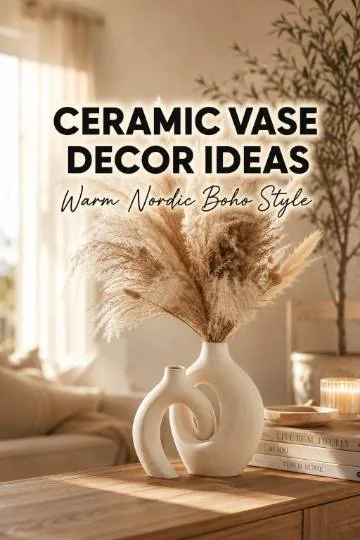
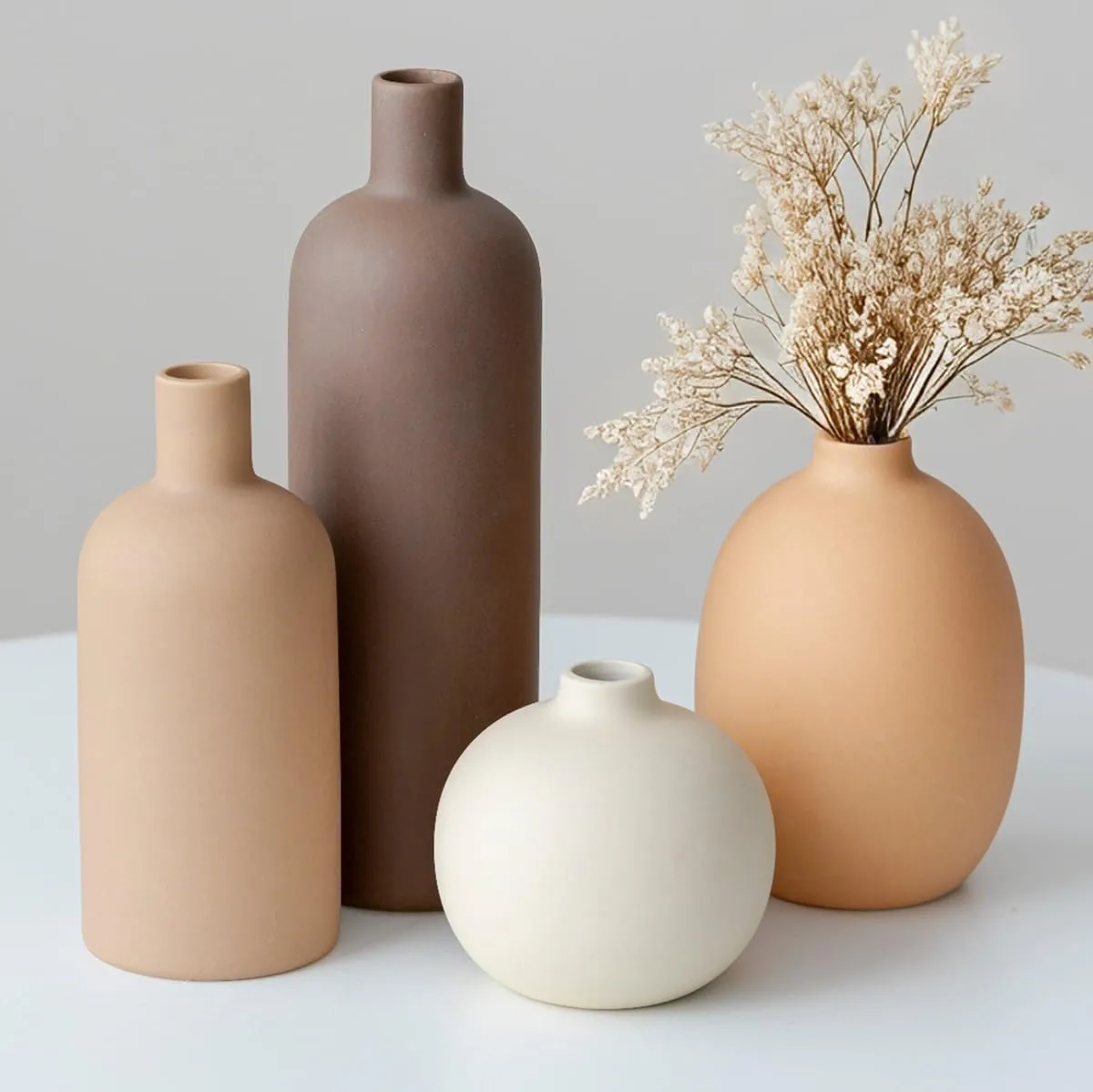
Most residential living spaces are built on a framework of right angles. From rectangular area rugs and square sofa cushions to linear floating shelves and boxy television screens, our rooms are dominated by rigid, straight lines. If a room feels sterile or overwhelmingly rigid despite being fully furnished, the solution is rarely to add more furniture. Instead, you need to introduce organic movement. This is exactly where aesthetic ceramic vases excel. By bringing soft, flowing silhouettes into an otherwise highly structured environment, these decorative pieces provide instant visual relief.
I frequently use curved elements to break up the monotony of modern apartment layouts. A room that feels too clinical immediately softens when you introduce a rounded object that catches the light differently. In recent years, the trend toward what many call the “ins style” aesthetic flow—characterized by undulating lines, hollow centers, and imperfect symmetry—has made these vases more than just vessels. They operate as standalone miniature sculptures. Whether you place them on a dining room console or use them to finalize your built-in bookcase styling, aesthetic ceramic vases anchor a room with a tactile, grounding presence.
What Makes a Vase “Aesthetic” in Modern Decor?
The term “aesthetic” has evolved from a general descriptor of beauty into a specific design language. In the context of interior styling, aesthetic ceramic vases reject the traditional, perfectly symmetrical cylinder. Instead, they embrace the irregular. You will frequently see donut-like hollows, offset necks, and bodies that appear as though they were gently squeezed or molded by hand before the clay had fully set. This intentional imperfection is the core of their charm.
Beyond their shape, the finish is equally crucial. Traditional vases often feature a high-gloss glaze that reflects the room like a mirror. In contrast, modern aesthetic ceramic vases almost exclusively utilize matte, unglazed, or lightly speckled finishes. This raw, earthy texture absorbs ambient light rather than bouncing it back. The resulting soft shadows emphasize the curvature of the vase, making the piece feel warmer and more integrated into the room’s atmosphere. This tactile quality invites touch, creating an environment that feels lived-in and comfortable rather than pristine and unapproachable. When light hits a matte surface, the transition from highlight to shadow is gradual, which naturally calms the eye.
Sizing and Scale Considerations for Shelving
A common mistake when purchasing decorative objects online is misunderstanding scale. A vase that appears substantial in a closely cropped photograph may end up looking like a miniature toy on a deep media console. Conversely, an oversized vessel can completely overwhelm a delicate floating shelf. When selecting aesthetic ceramic vases, measuring your available vertical and horizontal space is non-negotiable.
For standard wall-mounted shelves, which generally offer a depth of 8 to 10 inches, a vase measuring between 6.5 and 8.5 inches in height provides the ideal proportion. This size is substantial enough to register visually from across the room without crowding the edge of the shelf. If your shelf spacing is 12 inches vertically, an 8-inch vase leaves a comfortable 4-inch breathing room above it. Cramming a 10.5-inch vase into that same 12-inch gap makes the arrangement look strained and claustrophobic. Furthermore, consider the footprint. A vase with a wide, 6-inch base will command the entire depth of a shallow ledge, whereas a narrower profile allows you to layer the vase in front of a framed art print or a leaning arched mirror.
The Case for a Two-Piece Vase Set
While a single statement piece has its place, purchasing a paired set offers significant styling advantages. Styling a surface with a single object often leaves the arrangement feeling unfinished, while grouping unrelated items can quickly look like a thrift store shelf. A curated two-piece vase set resolves this tension by providing built-in cohesion. The designer has already done the difficult work of balancing the proportions, ensuring the two pieces relate to one another harmoniously.
Typically, an aesthetic set will feature one taller, slightly slimmer vase paired with a shorter, wider companion. This height differential is critical—it creates a diagonal line that encourages the viewer’s eye to move across the arrangement.
If you are styling a living room console or a bedroom dresser, a set of two provides enough visual mass to act as a primary focal point. You can confidently place them side by side, slightly overlapping one in front of the other, to create depth. The relationship between the two forms, especially when they feature complementary curves or interlocking shapes, adds a sophisticated layer of design intent that is nearly impossible to replicate by randomly mixing individual pieces.
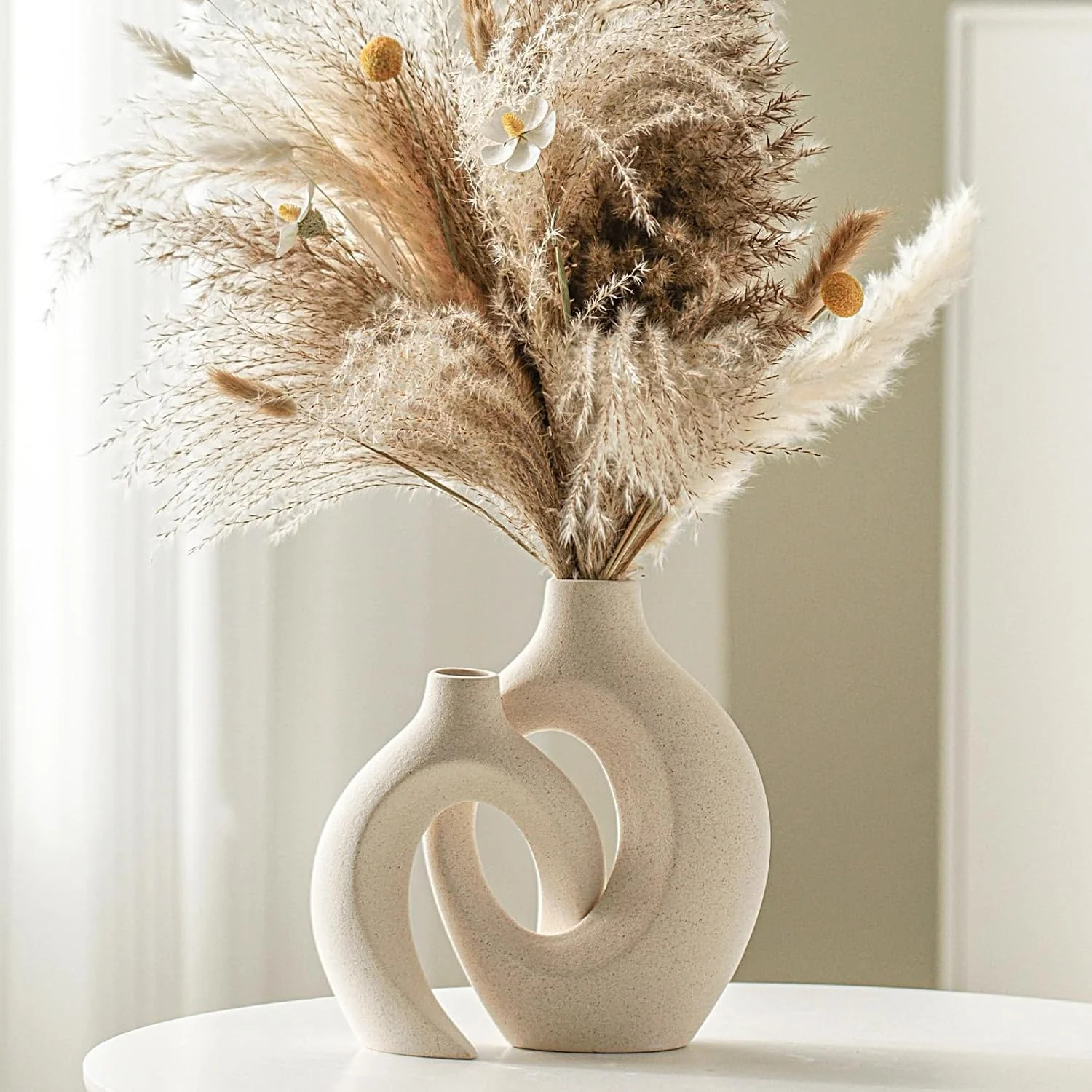
Snuggle Hollow Ceramic Vase Set of 2, Nordic Modern Boho ins Style Decorative Ceramic Aesthetic Flow
Set of two Nordic modern boho ceramic vases featuring an organic, aesthetic flow design perfect for adding soft shapes to rigid spaces.
Color Theory and the Power of Neutral Palettes
In the realm of modern boho and minimalist styling, color should whisper rather than shout. Aesthetic ceramic vases in milky white, soft cream, or muted oatmeal offer unparalleled versatility. These neutral tones act as a palette cleanser, providing a much-needed visual rest within a room that may feature busy patterned rugs, colorful book spines, or heavy wooden furniture.
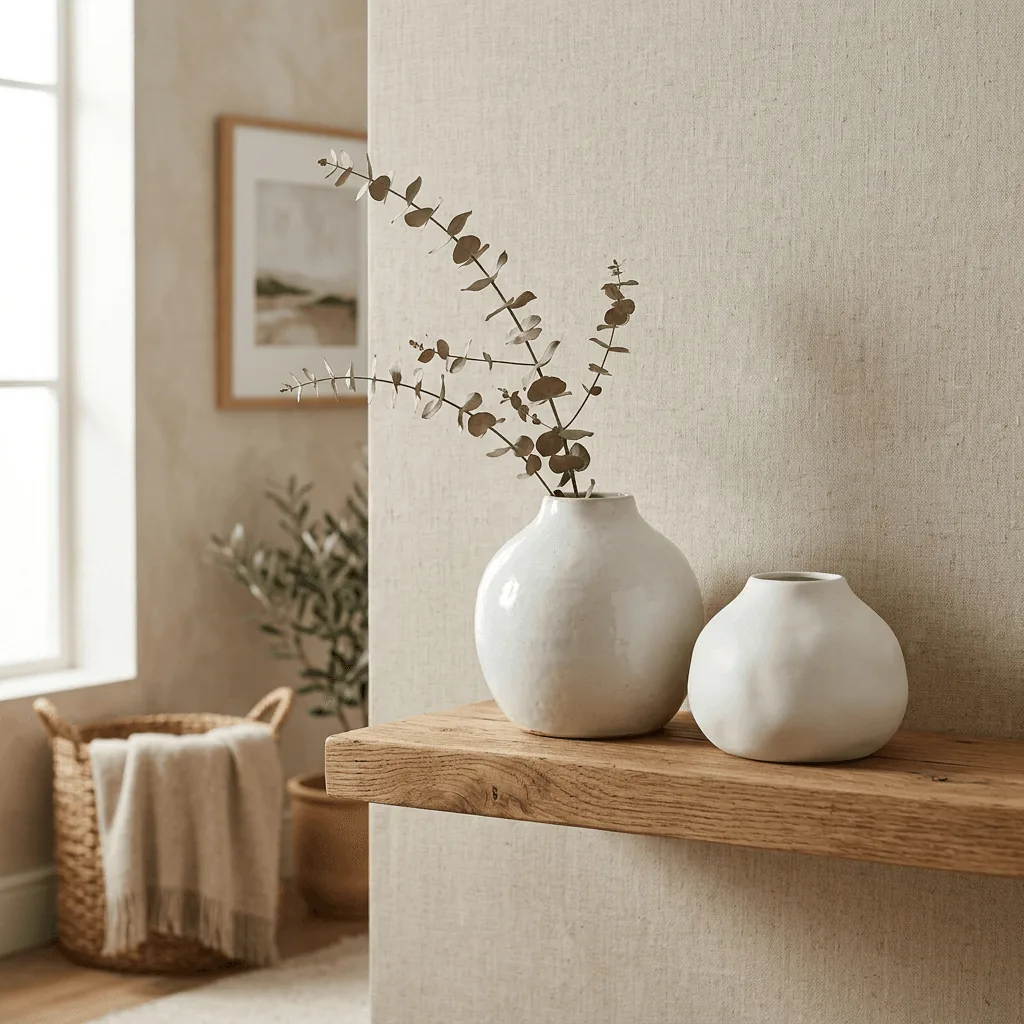
A milky white vase set is particularly effective because it contrasts beautifully with almost any background. Against a dark, moody wall painted in charcoal or navy, the white ceramic pops dramatically, drawing immediate attention to its sculptural form. Against a crisp white wall, the slightly off-white or cream undertones of the ceramic prevent the vase from disappearing, instead creating a subtle, sophisticated tonal layer. This adaptability makes neutral vases an excellent long-term investment. If you decide to completely change your room’s color scheme in three years, moving from warm terracotta to cool sage green, your milky white ceramic vases will transition flawlessly into the new design without skipping a beat.
Botanical Pairings and Textural Contrast
The narrow openings typical of aesthetic ceramic vases dictate a specific approach to floral arrangements. These are not the vessels for massive, sprawling bouquets of hydrangeas or thick bunches of tulips. Instead, their restrictive necks are designed to hold just one to three stems, promoting an architectural, minimalist look.
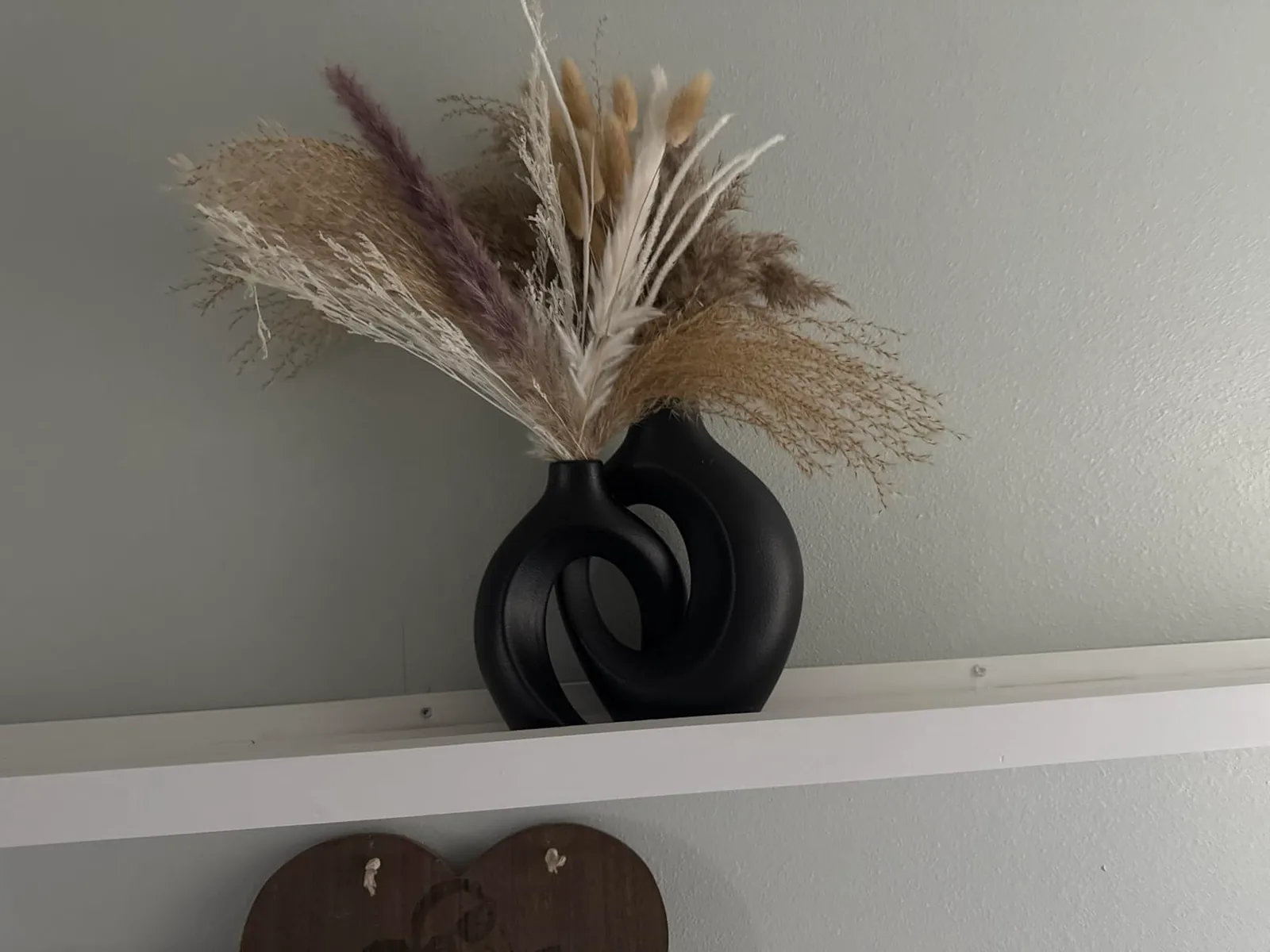
For a modern boho interior, dried botanicals are the perfect companion. A single stem of fluffy pampas grass, a sprig of dried eucalyptus, or a textured bunny tail grass adds organic height and texture without requiring water or maintenance. The dry, brittle nature of these stems contrasts beautifully with the smooth, solid curvature of the ceramic base.
If you prefer fresh elements, consider a solitary sculptural branch, such as a twisted willow twig or a single olive branch. The asymmetry of a natural branch stretching outward balances the heavy visual weight of the ceramic base. Importantly, do not feel obligated to fill every vase. Leaving one vase empty while placing a single stem in its companion creates a dynamic, intentional look that embraces negative space. An empty vase is a confident design choice that allows the object’s form to take center stage.
Strategic Placement in Living Spaces
Positioning your aesthetic ceramic vases requires careful consideration of the surrounding environment. The goal is integration, not isolation. When styling a wide fireplace mantel, avoid pushing one vase to the far left and the other to the far right. This extreme separation severs the relationship between the pieces, making them look stranded. Instead, cluster them together on one end of the mantel, perhaps balanced by a vintage brass lantern or a stack of hardcover books on the opposite end.
On a coffee table or a low ottoman tray, the vases should be viewed from all angles. Group them in the center alongside a small candle and a low bowl. The varying heights will create a pleasing landscape that prevents the table from looking flat. If you are working with a deep, built-in bookcase, place the taller vase slightly toward the back and pull the shorter one forward. This staggered depth immediately makes the shelf look more three-dimensional. Remember to leave breathing room. A cluster of vases needs at least 4 to 6 inches of negative space around it to truly stand out.
Maintenance and Long-Term Care of Matte Finishes
The very trait that makes aesthetic ceramic vases so appealing—their porous, unglazed, or matte finish—also makes them susceptible to holding onto dirt and oils. Unlike glossy porcelain that repels water and dust, matte ceramics require a slightly more deliberate cleaning routine.
For weekly maintenance, a dry microfiber cloth is your best tool. It gently lifts dust without grinding it into the microscopic pores of the clay. If the vase has intricate curves or a donut hole that is difficult to reach, a clean, dry, soft-bristled paint brush works perfectly to flick away dust from tight corners.
When dealing with smudges, fingerprints, or light stains, avoid using harsh chemical sprays or abrasive scrubbing pads. Instead, lightly dampen a clean cloth with distilled water and gently dab the affected area. Vigorous rubbing can actually burnish the clay, permanently altering the texture and leaving a shiny, polished spot that ruins the matte effect. If you choose to use your vases for fresh flowers, never let water sit stagnant for more than a few days, and always use a coaster or felt pad underneath to protect your wooden furniture from potential condensation or scratching. By treating these pieces with a little extra care, their sculptural beauty will elevate your room’s design for years to come.
FAQ
What defines an aesthetic ceramic vase?
An aesthetic ceramic vase typically features organic, flowing curves, abstract shapes, or a donut-like silhouette rather than a traditional cylinder. The unglazed or matte finish emphasizes the clay’s natural texture, providing a sculptural presence even without flowers.
How do I style aesthetic ceramic vases in a minimalist room?
In a minimalist space, treat these vases as sculptural art. Group them in pairs or threes of varying heights, keeping them empty to draw attention to their silhouette, or use a single dried stem to add a delicate, architectural line.
Can I mix aesthetic ceramic vases with traditional decor?
Yes, but they work best when providing deliberate contrast. If your room features heavy, traditional wood furniture, a matte aesthetic ceramic vase offers a modern, tactile counterpoint. Keep the color palette neutral to bridge the two styles seamlessly.
How should I clean matte aesthetic ceramic vases?
Dust them regularly with a dry microfiber cloth or a soft-bristled brush. For smudges, dab gently with a slightly damp cloth. Avoid vigorous rubbing, as it can permanently burnish or polish the matte finish, leaving unwanted shiny spots.